A new program called Project Lifesaver is now in place to help at-risk individuals, including those with Alzheimer’s, autism, Down syndrome and related disorders, who may wander from home and become lost.
It’s part of a branch of the Bartholomew County Sheriff’s Office called TRIAD, which is now offering a well-established and effective method of locating missing people with cognitive disorders.
Project Lifesaver, a national 20-year-old program, utilizes specialized equipment to find children and adults who have strayed from a safe location and cannot find their way back to safety.
The first step in establishing the new local program was undertaken by sheriff’s department Sgt. Jim Stevens, who applied for and received a $29,000 grant from the Custer-Nugent Foundation.
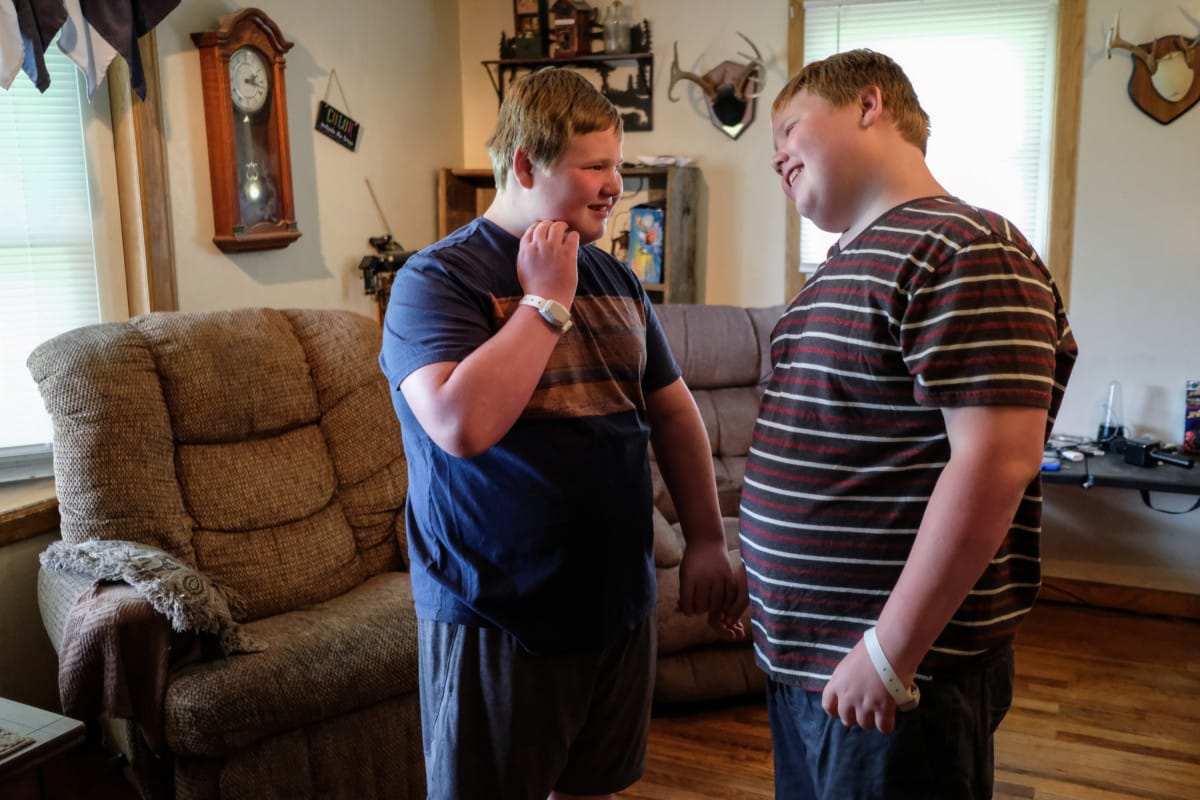
That money was used for the initial purchase of 50 transmitters attached to bracelets that cost $350 a piece, as well as six receivers that can pinpoint the location of the transmitters. When not in use, the receivers are stored at the sheriff’s office and the Columbus Fire Department.
Instead of a law enforcement officer, Sheriff Matt Myers appointed retired mechanical engineer Dave Coffman as a special deputy in charge of TRIAD. In addition to his engineering skills, Coffman also holds a master’s degree in health care.
When an at-risk individual goes missing, the first step is to send a receiver to the last place where that person was last seen, Coffman said.
If there is no signal, the receiver is driven around by searchers in a expanding perimeter until a signal is picked up. If the victim has wandered into an area where there are no streets or roads, hand-held receivers are available that are capable of picking up signals a mile-and-a-half away, he said.
For more on this story, see Saturday’s Republic.