We’re all eating more home-cooked meals, family-style dishes, and TV dinners in our suburban homes, or our studio apartments not because it’s Christmas or Thanksgiving, but because we all want to stay alive.
It’s March 30, just 65 days after the first American was infected during his visit to Wuhan, China, and to date, there have been over one million confirmed cases and over 58,000 known deaths in the world.
America, even with our armor of exceptionalism, couldn’t shield us from this vicious disease, infecting over 275,000 people.
Even our largest city, which never sleeps, is resting.
New Yorkers who are accustomed to small spaces shared with millions of people; our bodies crammed on subways, in taxis, in Ubers, or our favorite cafes, are now isolated inside our apartments alone, or with relatives, or God-forbid with roommates; while the virus invisibly takes our places outside, forcing over 100,000 New Yorkers into hospitals.
What makes COVID-19 terrifying is we can’t see it, which also makes us negligent to its threat and ignorant of its ruthlessness.
For two years, I’ve lived in Brooklyn, NY. I moved from the Midwest for the city’s hustle, the vibe, and to acquire a master’s from New York University. And for two years, I’ve been one of the eight million lives trying to make all my expensive degrees into a big career.
But, I never dreamt, even in my wildest one, that I’d witness The Concrete Jungle tamed.
Even if you’ve never visited the Big Apple, you’ve experienced it within film usually along with unfortunate events like Day After Tomorrow or Deep Impact, where some scientist or doctor warned the film’s president that something bad was about to happen.
And in these movies, President Tom Beck (Morgan Freeman) and President Blake (Perry King) did not listen until that bad thing happened.
That sounds familiar, doesn’t it?
Last week, during a White House briefing, our president announced a “cautious resume” for the American population stating, "Our country was not built to be shut down," a presumptuous and dangerous reopening for citizens to be public, again.
Later expressing his desire to have churches packed on Easter, despite conflicting advice from Dr. Anthony Fauci, the Director of the National Institute of Allergy and Infectious Diseases since 1984.
This medical expert stressed the importance of social distancing to the president and nation, most recently during an interview with Trevor Noah stating, “[The Coronavirus] easily spreads from person-to-person and has a high degree of morbidity and mortality,” expressing the harsh reality of encountering COVID-19, where he continued, “unfortunately that’s the worst nightmare you could have.” And despite this contagion’s continual rise, it has not reached its peak. According to Dr. Fauci, “We can’t predict when this will turn around,” stressing a policy cannot dictate the disease’s timespan and that, “The virus is the clock.”
If I’m confident in one thing, it’s most Americans have recognized this virus doesn’t obey orders, doesn’t care about politics, and certainly doesn’t care about us.
Ironically, through isolation and panic, COVID-19 has forced us into an extreme action: to pay attention to each other.
Two Wednesdays ago, I bussed to Washington D.C., 48 hours before Governor Cuomo’s announcement of a potential city-lockdown.
I met my brother, who lives in Virginia, and we decided to road-trip 600 miles to Indiana to be with our parents (which sounds like a script from every American disaster blockbuster).
During the nine-hour drive, we took the standard precautions: we had our hand sanitizers on deck, we only stopped when we needed to, while carefully choosing where though in hindsight that type of decision is not a deterrent, but along the way, from state to state, we were pleasantly surprised by one thing: everyone was nice.
The barrier of generic customer service was cracked wide-open by what we both knew, we could be infected tomorrow, or we could have the infection right now, and with that knowledge, our farewells were not the standard, "Have a nice day!" but, instead…"Be safe out there."
Be safe out there — a very genuine and somewhat sad adieu after purchasing a chicken sandwich and diet coke that you pray is safe enough to touch, but a grateful reminder of humanity while digesting some lunch.
At 11 p.m., we reached Columbus, Indiana, our childhood hometown, waking up our parents who were thankful to see their grown kids alive and visibly well. And I’m still here, writing this, wondering will things get better and if this virus will cease us and have a little mercy, but who knows.
If you’re religious, I’m sure you’re standing on your faith. If you’re not, you’re still holding onto something similar; and that’s hope. And like this virus, our hope is also invisible but can also be relentless.
But unlike this disease, it can’t be stalled by soap or hand sanitizer. And we’re witnessing that perilous fight with our physicians, our nurses, our caretakers, the first responders — our lifelines against this global plague — but let’s not forget our grocers, our cashiers, our warehouse workers, our airline crews, our truck drivers, our public transportation engineers all in combat for us, too.
So, for the ones that are willing to pray, please pray.
And to the ones that are willing to give, please give.
But, one thing we all can do for each other at this moment is to stay inside. And perhaps this mandatory retreat can be spent internally elevating what we’ve been missing while quarantined in our schedules, our hustle, our busyness, our selfishness — exposing we do have an unadmitted dependency to connect and be around one another.
And maybe once it’s safe enough to come outside and be closer than 6 feet, we’ll allow our hearts not to be socially distant, and perhaps compassion and empathy will become outrageously contagious.
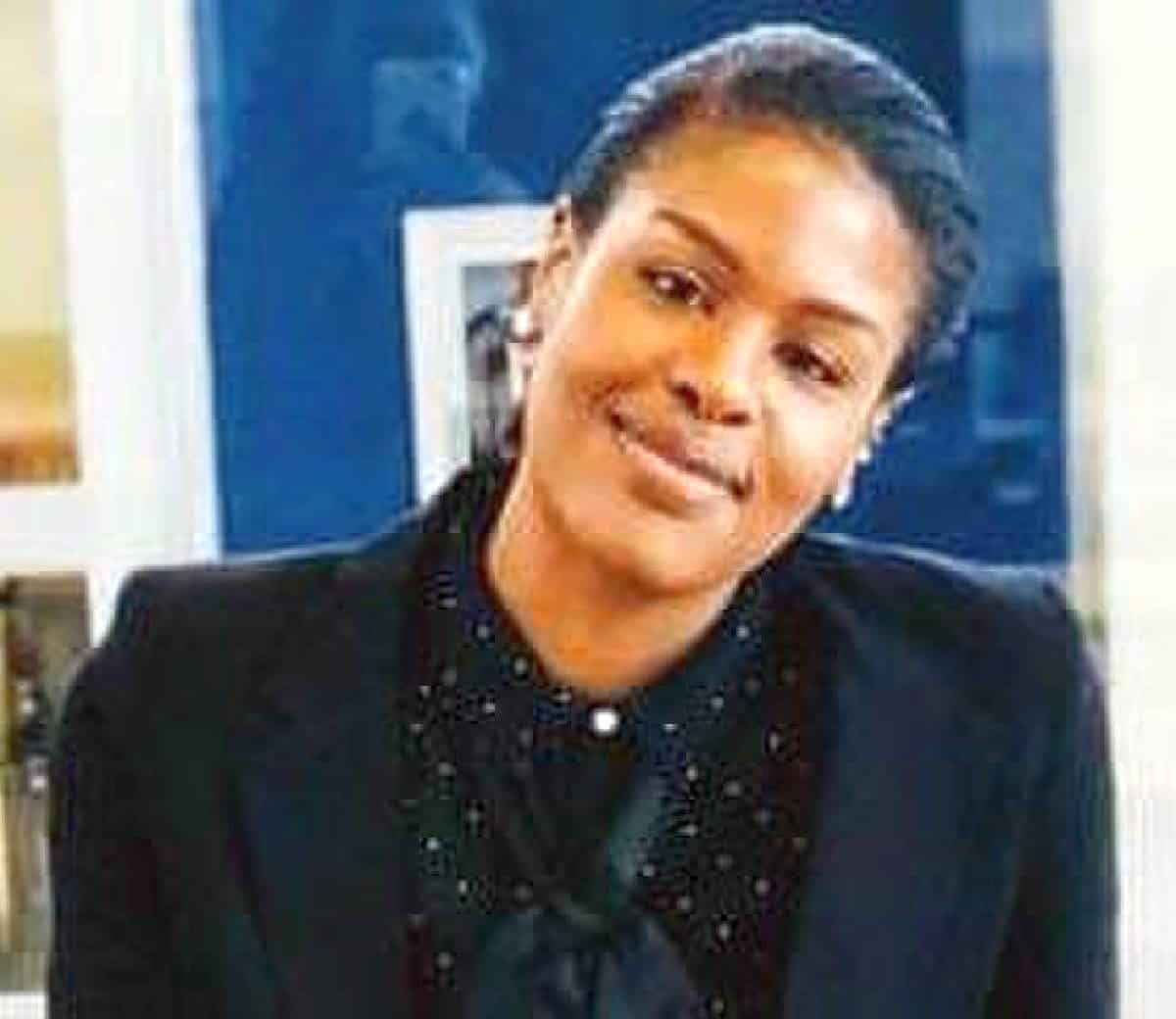
Brittany Talissa King, a Columbus native, is a freelance writer and recent graduate from New York University where she received her Master’s in Journalism (Cultural Reporting and Criticism). She’s passionate about exploring American racial issues through essays and her podcast #AmericanShade. She currently lives in Brooklyn.