With the library building closed, many families have exhausted their supply of picture books.
If your family is anything like mine, the kids in your home are still happy to listen to the same book five hundred more times, but the adults are ready for something new.
When my daughter was a toddler, I could read “Russell the Sheep” by Rob Scotton without looking at the pages because she wanted to hear it so many times. If you, too, have memorized all your child’s favorite books, you will be happy to know that the library still has great resources for you, even though the building is closed for a little while.
In addition to our wide selection of e-books available on our Libby and Hoopla apps, Ms. Kelly and I have been hosting mini storytimes on Facebook. There, you can hear favorite felt stories and games, popular books, songs, and rhymes. On our Instagram account, @mybcpl, you can join Ms. Lindsey for songs and mindful moments, tour staff gardens, or hear stories from Dave, our Hope Branch Manager. There are also at-home craft and skill tutorials for adults on our Facebook page, and our Teen Department has fun programming you can find at mybcpl.org/teens.
There are easy ways to boost literacy without screens, as well. The best part is that these are probably things you do with your children already.
Singing to young children is a great way to get them ready to read in the future. When you sing, your language is slowed down, so children can hear each word part and syllable slowly and clearly. Learning to break words into syllables is a first step on the way towards literacy. You can find some fun songs in our Facebook videos, Instagram videos, and the “Kids” page on our website. You can even make up songs about what you are doing or what you see out the window; it will entertain your child and give you a chance to get creative.
If singing is not your style, narrating what is happening and what you are doing is a great way to increase your child’s vocabulary. It is never too early to start this; babies and young toddlers benefit as much as preschoolers. The more words children hear from you, the bigger their vocabulary will be, which is a huge help once they are ready to start learning to read.
For older children, you can take narration a step farther and take turns telling stories with a beginning, middle and end. You can make this into a game, with one family member starting a story, another telling the middle, and a third making up the ending. If your household is really ambitious, try acting out your stories or use puppets and stuffed animals to retell them.
Books will always be number one in my heart, but when I need a short break from the same selection on repeat, it is comforting to know there are so many resources and alternative ways to bring literacy into the home!
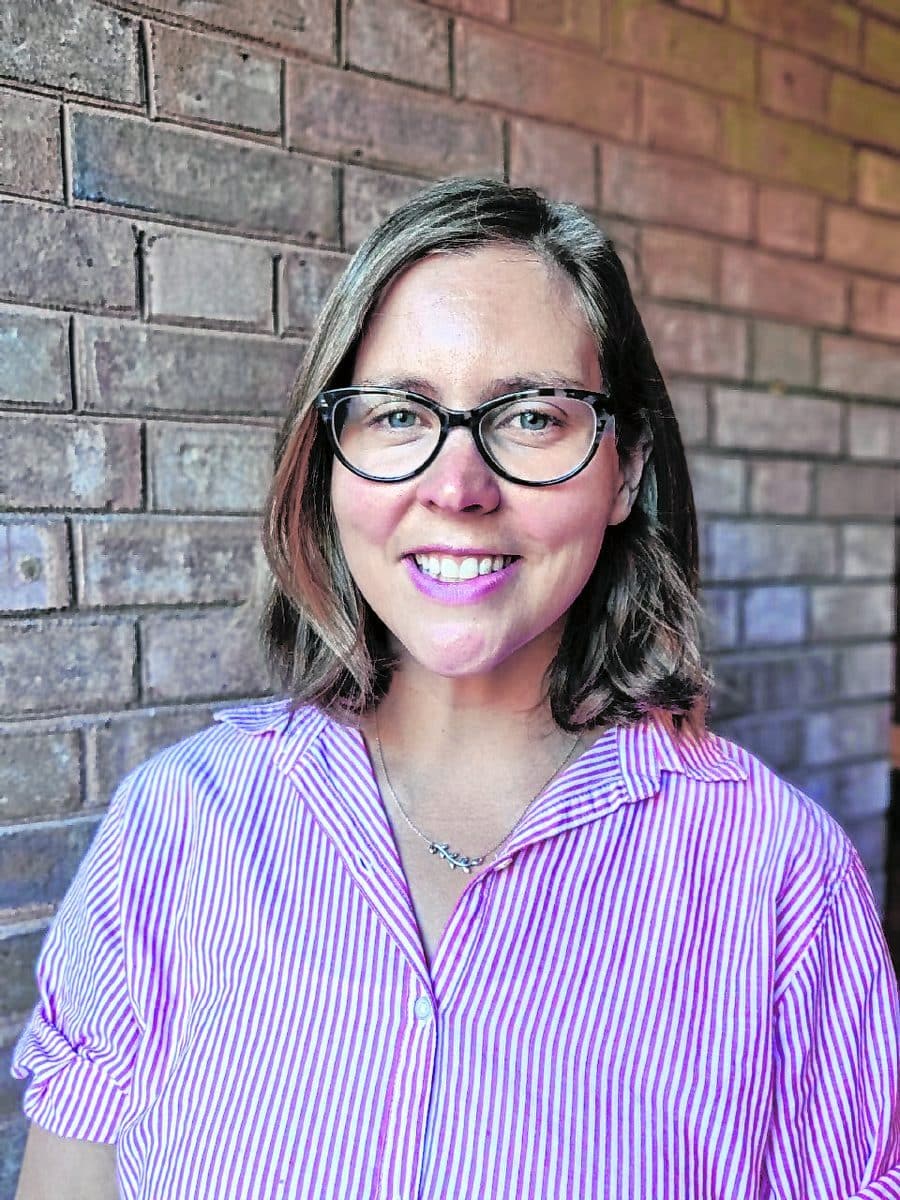
Kate Grafelman, children’s programming librarian at the Bartholomew County Public Library, can be reached at kgrafelman@mybcpl.org. Send comments to editorial@therepublic.com.