I often wonder how history will look back upon us.
In the 1920s, an American company sold distilled water laced with radium. They claimed the radioactive concoction could cure arthritis, treat sciatica, restore pep and vigor. Of course, the potion cured nothing and was, in fact, a deadly poison.
Eben Byers, one of the best golfers of the era, drank the radium water, thinking it would help his game. Instead, his teeth fell out, his bones disintegrated and holes opened in his face. Doctors removed his jaw. When he died, they buried his radioactive body in a lead coffin. Poor guy — he didn’t know better.
During the Civil War, disease killed many more soldiers than combat did. They didn’t know that microscopic organisms spread diseases. They suffered from dysentery and typhoid while drinking contaminated water and eating spoiled food. Surgeons didn’t clean their instruments between operations. They thought speed was more important than cleanliness. They believed the accumulation of blood and gore was the sign of a good surgeon. They were wrong.
For centuries, medical practitioners thought illness was a result of an imbalance of the body’s humors or fluids. To put the body back into balance, they sliced open a vein and bled their victims. Uh, I meant “patients.” Those treating George Washington on his deathbed drained five pints from him. It may not have killed him; but the blood loss didn’t do him any good.
During the bubonic plague of the 1300s, patients thought that tonics made with crushed emeralds or unicorn horns could cure the raging pandemic. This is probably not news to you, but unicorns do not exist.
Other plague sufferers believed that they should rub a chopped up snake into their sores. Some of the sick walked from town to town, whipping themselves as a form of atonement. Of course, this only spread the disease.
For centuries, self-proclaimed medical experts with no actual scientific training thought mercury would cure all kinds of ailments. The sick drank mercury, rubbed it into their skin, and even injected it. Of course, mercury is toxic.
Due to ignorance and greed, at one time or another, people believed cocaine, amphetamines, heroin, snake oil, and electroshocks could cure what ailed them. Were these people from the past fools and idiots? Should we mock them? History’s judgement on them has been harsh. But they weren’t fools. They just didn’t know any better. They didn’t have the proper medical knowledge or techniques to treat sickness and injuries. They didn’t know how to stop pandemics. And they were desperate for a cure.
In 2020, we have knowledge and technology. While we don’t understand everything about COVID-19, we don’t think it is caused by witches or can be cured by bloodletting. We know that there are organisms invisible to the naked eye that can spread diseases. We have reason and logic. We can wield chemistry, engineering, and computers against the pandemic. Past societies suffering from pandemics would have given anything to understand what was killing them and how to stop it.
In 2020, we have the knowledge and tools available to us to fight pandemics. But we have rejected it. We turned a disease, a threat to everyone’s life, into a divisive political issue. We know that social distancing and wearing a mask can slow the spread of COVID-19. We have seen the results in other countries.
Here, some refuse to wear masks because it is an inconvenience. Or they believe that their right not to wear a mask supersedes the government’s obligation to provide for the general welfare of the people. Or they believe that their rights are more important than the rights of business owners who are trying to keep their employees and clientele safe. Then they throw temper tantrums even though they are guests on private property.
Maybe they have a different copy of the Constitution than the one I’ve read, but I can’t find the right to shop at Costco or Starbucks listed anywhere. Even when scientists develop a vaccine, a large percentage of Americans have said they will refuse to take it. We have many of the answers, we just refuse to believe them. What will history think of us?
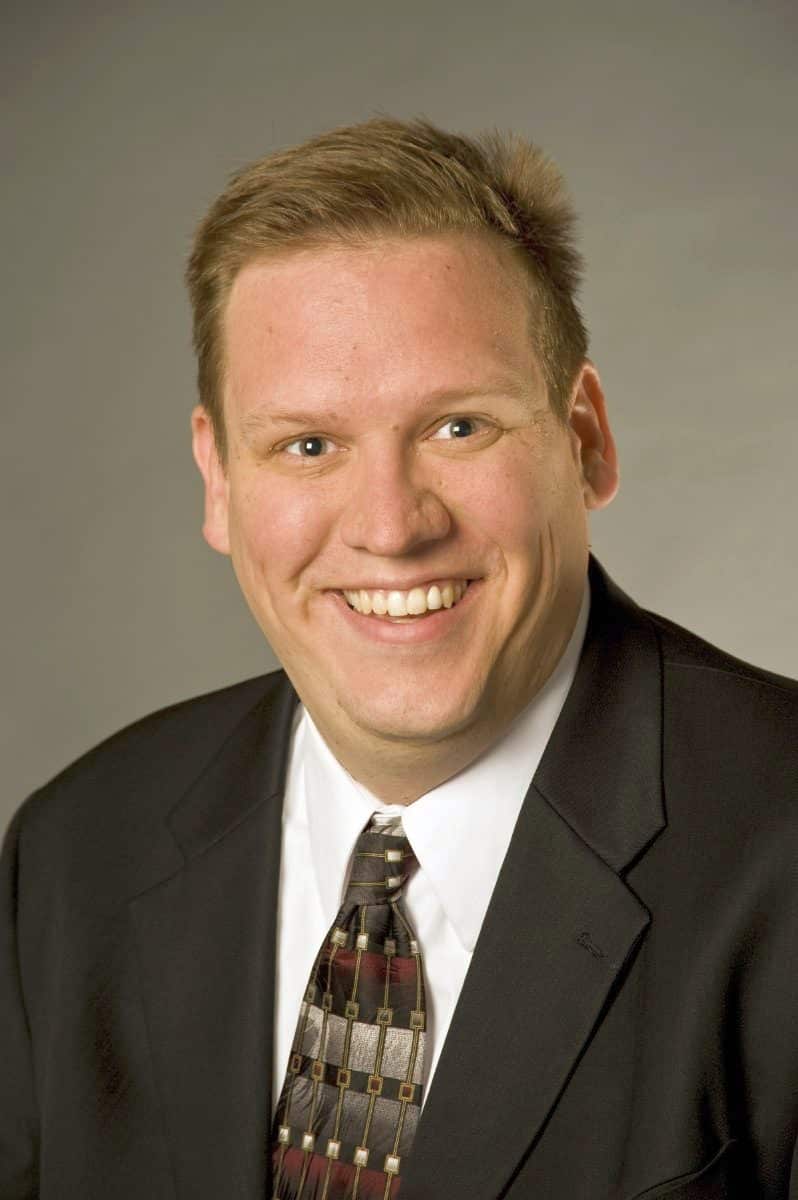
Aaron Miller is one of The Republic’s community columnists and all opinions expressed are those of the writer. He has a doctorate in history and is an associate professor of history at Ivy Tech Community College — Columbus. Send comments to editorial@therepublic.com.