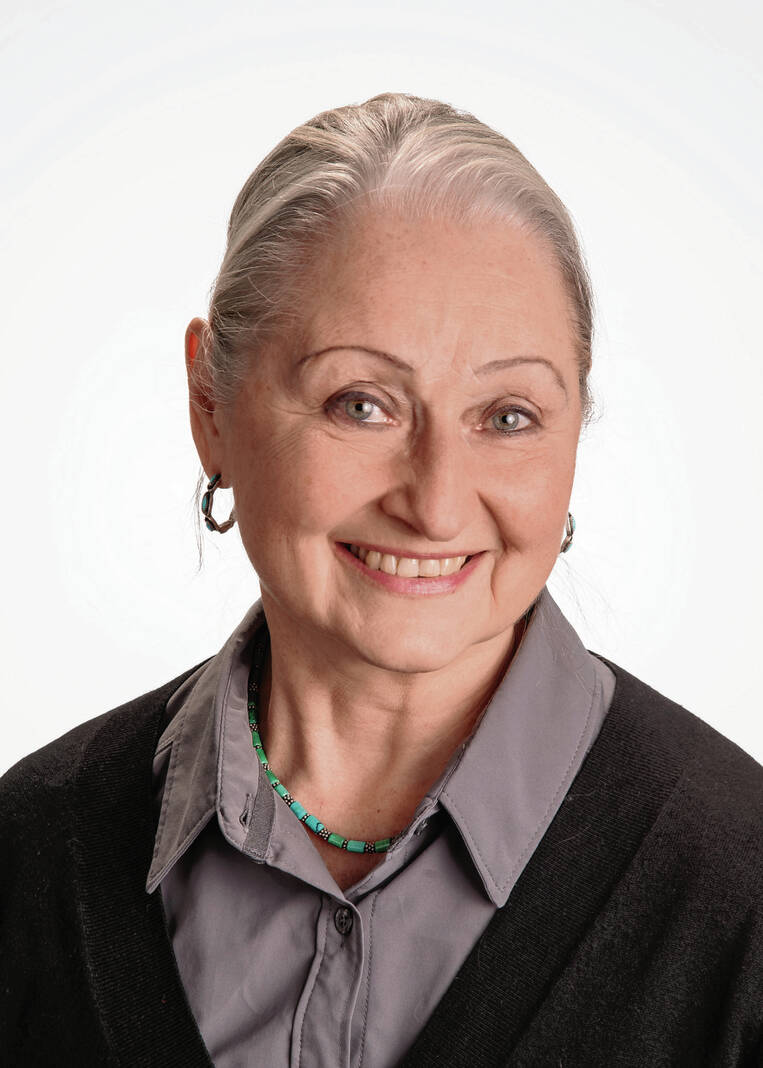
Tracy Souza (2024)
A Donor Advised Fund (DAF) is money that is owned or controlled by a sponsoring organization where the donor has advisory privileges with respect to distributions. I realize that is not a particularly riveting or enticing opening sentence, but DAFs are getting a lot of attention in the philanthropic world these days, particularly at the end of the year.
DAFs are a tool that community foundations have used since 1931 to attract donors by providing a charitable tax-exempt service that also creates a broader community benefit by supporting the community foundation with administrative fees. It is a win-win-win for the community foundation, the donor and the greater community good.
For example, Heritage Fund holds 42 DAFs, and we receive approximately $200,000 annually in administrative fees. Those fees support operating expenses that enable Heritage Fund to support the community in a number of ways such as convening groups of people to work on an opportunity or address a challenge; providing software to streamline student applications for scholarships; or offering DEI training to the community.
In short, DAFs work well for both the donor, who essentially gets a philanthropic savings account, and for the community foundation that earns a bit of money administering the fund.
That equation started to change in 1991 when Fidelity Investments opened “Giving Accounts,” followed quickly by Schwab and Vanguard with commercial DAFS. These funds quickly gained market share, and today they (Fidelity, Schwab, Vanguard) account for three spots in the nation’s top 10 charities ahead of United Way, St. Jude, Feed America and Salvation Army.
In 2016, community foundations held 24 percent of the DAF market. That figure today has dropped to below 6 percent. Commercial DAFs can provide the same “charitable savings account” for donors at lower costs because they are part of a larger for-profit financial service corporation. In addition, they have access to the best and most convenient software for donors to check on their accounts and make distribution recommendations. They are tough competition for smaller nonprofit community foundations that rely on their deep understanding of community issues and ability to offer personalized services to donors.
So why establish a community foundation-based DAF instead? The answer is pretty simple – the administrative fee you pay on your DAF can either support a large financial service corporation or it can support the work of your local community foundation.
Tracy Souza is president and CEO of Heritage Fund – The Community Foundation of Bartholomew County. Contact us at 812-376-7772 to learn more about how we can help you do Your Philanthropy. Your Way. Send comments to editorial@therepublic.com.