The consulting team in charge of Columbus’ new downtown strategic plan is set to present their findings and recommendations to redevelopment officials soon.
Bonnie Boatwright is the project manager of Downtown Columbus 2030, which will identify ways to revitalize and activate the city’s downtown, while accounting for a changed climate in the area after the pandemic. The plan will be informed by community feedback— there’s already been two large-scale input sessions and two surveys released to gather input.
Boatwright presented redevelopment commission members with an update as the plan nears completion. A second community survey regarding Downtown Columbus 2030 had been open for three weeks and recently closed.
Officials said 1,110 people took the survey after more than 2,500 took part in the first community survey that had been available for about two months.
“We thought that number was really great, even more importantly, we had broad demographics and age groups,” Boatwright said on Tuesday.
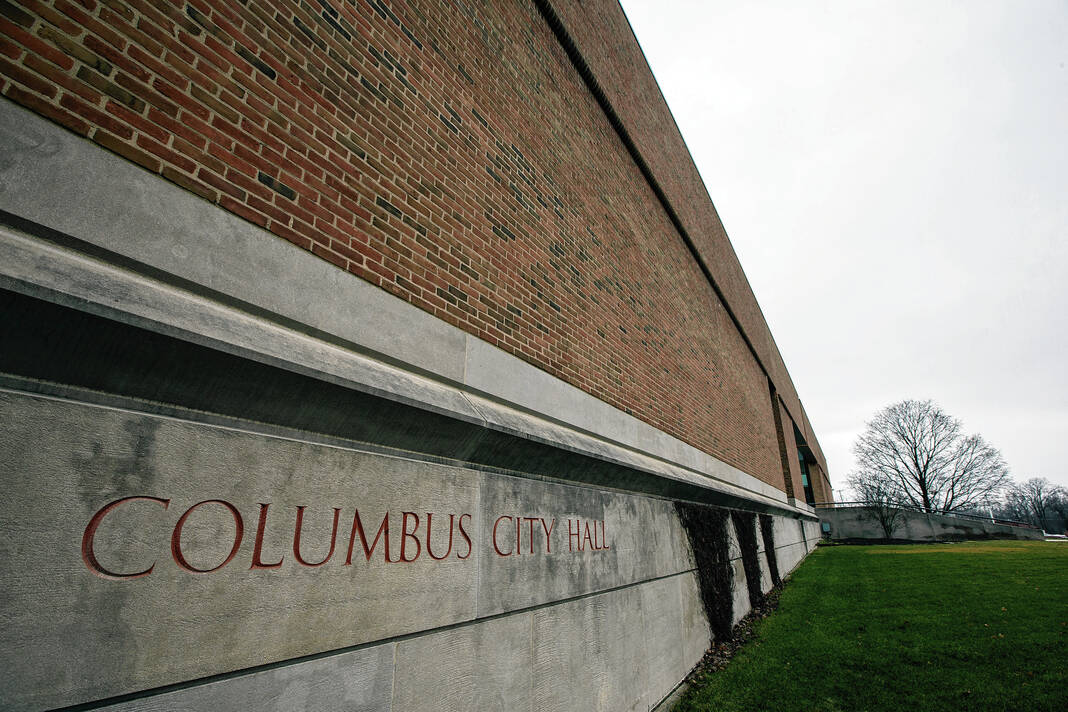
The final report will be presented during a redevelopment commission meeting on July 21 in the Cal Brand room on the first floor of city hall.
“They will present short-term, intermediate and long-term considerations,” Boatwright said. “And they’ve got it bucketed into three categories that we’ve asked for in our original RFP. So they’re going to talk about programming and activation, economic development and real estate and then the public realm and infrastructure considerations.”
Urban planning and design firm Sasaki is taking the lead in the plan’s development and partnering with firms SB Friedman and Storyboard in the process.
The downtown plan is expected to set forth a vision that can be actionable within a timeline of the immediate term (1-2 years) to mid-term (5-10 years) to long-term (10-plus years)
Downtown Columbus 2030 will have a more narrow focus than 2018’s Envision Columbus downtown plan, which led to some implementation but was largely encumbered due to changing dynamics caused by the COVID-19 pandemic, according to city officials.
Although it will have a smaller footprint, the plan will include more available buildings and spaces for consideration comparatively. Downtown Columbus 2030 is to incorporate information derived from other recent city endeavors, including its new housing study and ongoing redesign of the city’s downtown entrance plaza.
The primary objective is to identify the best use of more than 20 individual parcels identified as critical, made up of several owned by the Columbus Redevelopment Commission such as the former Sears Building and adjoining parking lot, current project areas including the riverfront and downtown entrance plaza and parcels identified as future project opportunities including the Irwin Block Building site.
The Columbus Redevelopment Commission on Oct. 21 approved funding in an amount not to exceed $464,820 to go towards the three firms for their work.
More information and updates on the plan can be found at downtowncolumbus2030.com.