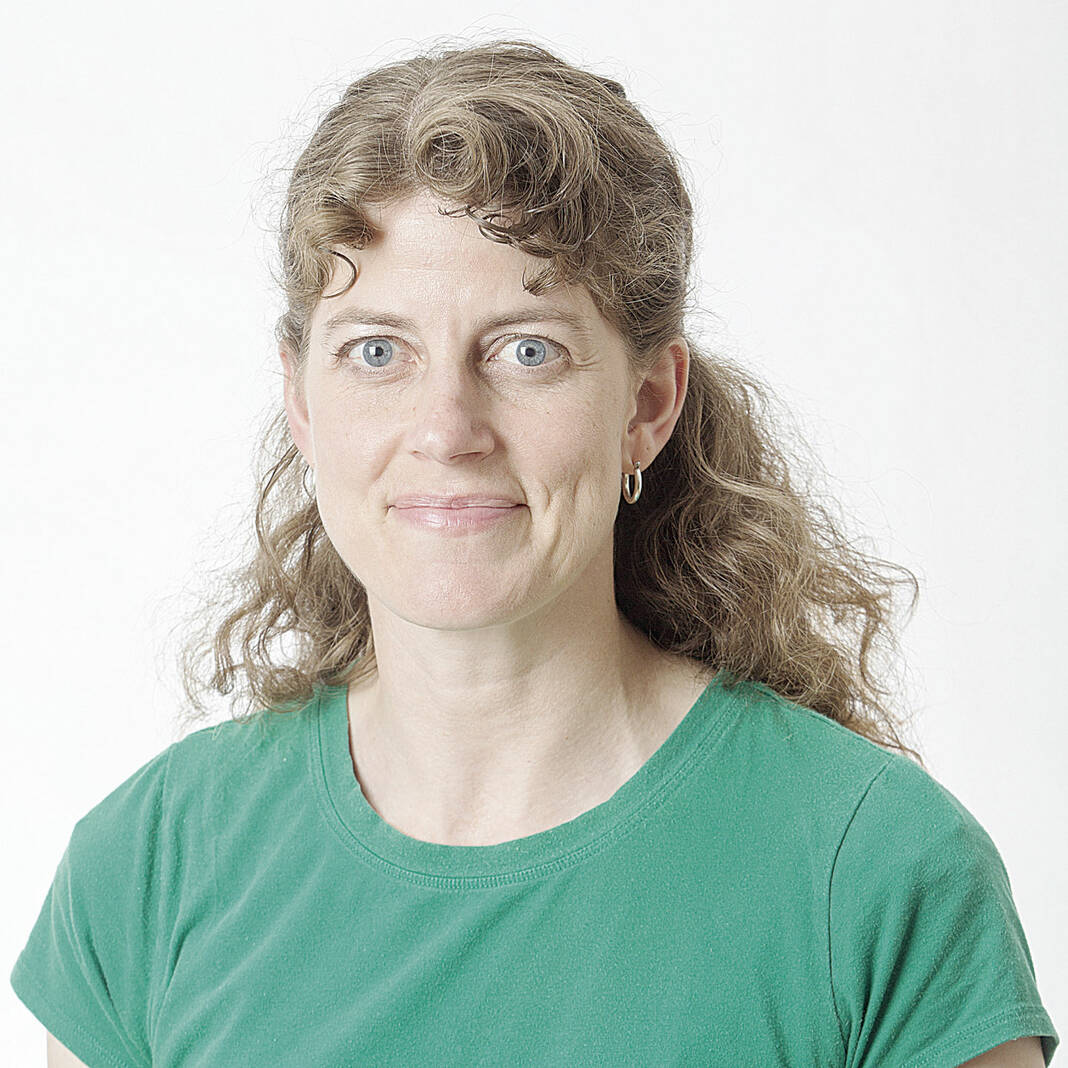
Susan Cox
We recently finished a remodeling project, and I unpacked my collection of journals from storage. I first started keeping a journal when I was 11. I wrote off and on until I was 15 when I started writing every day. Since I’m now in my 50s I have quite a collection. Every now and then I will get out an old journal to look something up or just to read about what I was doing and thinking about then.
One reason I started writing regularly was because I wished I knew more about my mom when she was a teenager. I wanted to have something I could share with my future children. I have shared a few things with them, but my purpose has shifted to be more about chronicling my days and writing out my feelings.
While my mom didn’t really keep a journal, after my grandpa died, my aunts found a collection of letters my mom had written to my grandparents. For a college project, one of my nieces compiled many of these letters with pictures into a small book covering just over 30 years. Now I know more about my mom when she was first married and raising kids. I also learned more about her siblings as she exchanged news with her parents.
My dad also used his letters to us children to put together his personal history. He has written to us every week for many years, first printing them out and mailing them and now sending them as email. He also included some stories from his childhood which we were all eager to read. The same niece helped him format and add pictures so we can access his history in book form.
Journaling or saving letters can be a great way to keep a record of your life and allows you to remember past events. You can revisit your perspective at the time and verify details. I’ve looked up events to make sure I have the date right. I mostly focus on my personal life, but I do record some things that are happening in the community and world.
One thing I enjoy when I reread my journals is to see how I’ve changed through the years. As a teenager I wrote about school (“I hate chemistry!” appears multiple times in one section), conflicts with my sister (we shared a room for years), and various boys that I liked. Now when I write about school, I’m the teacher worrying about my students and if I’m teaching effectively. Entries about my sister now share how glad I am we could talk or see each other in person. The boys I discuss have shifted to my children and my husband. Additionally, I currently work with the youth group at my church and reading my teenage thoughts and concerns reminds me that life as a teenager tends to be filled with exclamation points.
Journaling also helps me process my feelings. Sometimes I want to capture the happiness I feel and other times I need to express my confusion, frustration, or hurt. Putting those feelings into written words helps me clarify what I’m thinking and that often gives me new insights. I also find that writing my feelings out can help me to let go and move through the feelings.
Maybe someday I will compile my journals and letters (I write to my kids regularly just like my dad does) into book form so my children and grandchildren can learn more about me. I’m glad for the books about my parents and I’m glad other people have recorded details about their lives so we can get pictures of the world from many different perspectives. Other people’s biographies and general histories can also help us see how the world has changed just like I can see how I’ve changed over the years. If you don’t already, I’d encourage you to keep a journal or write letters to your family or friends even if you don’t plan on sharing them later. You might just learn something about yourself in the process.
Susan Cox is one of The Republic’s community columnists, and all opinions expressed are those of the writer. She is an avid reader, an outdoor enthusiast, a mother, a grandmother, and an adjunct instructor of English at Indiana University Columbus. Send comments to editorial@therepublic.com.