Aaron Miller
Let me put this as simply as possible. Cutting funding to NPR and PBS stations is asinine.
Apparently, Big Bird, Elmo, Mr. Rogers, Red Green, and the appraisers on the Antiques Road Show are a bunch of Marxists radicals hellbent on destroying the American way of life. To some, they represent a threat, so they all need to be taken off the air. I guess some conservative policymakers feel as though NPR and PBS reporters have been critical of their leader, have a liberal bias, and thus, the entire network needs to go.
Over the years, I thought that PBS and NPR have been pretty even handed politically. They are certainly more objective than either Fox News or MSNBC. PBS has usually featured conservative pundits and commentators like William F. Buckley, firebrand Pat Buchanan, and more recently, David Brooks. The McLaughlin Group, which was on PBS for only 38 years, was generally a platform for the Reagan Administration’s policies and then later, neoconservatives.
I think that it is the job of reporters and commentators to question people in authority, especially the occupant of the Oval Office, regardless of party. The current occupant seems to have pretty thin skin. A former president, Theodore Roosevelt, argued that it was our obligation to be critical of the president. Roosevelt thought, “To announce that there must be no criticism of the president, or that we are to stand by the president, right or wrong, is not only unpatriotic and servile, but is morally treasonable to the American public.” According to Roosevelt, criticizing the commander-in-chief is good for our nation and a moral obligation on our part.
The documentaries from Ken Burns and American Experience have been pro-American, often embracing American exceptionalism. While sometimes discussing our controversial past, they often celebrate our national traditions and our history.
Instead of ending funding to public media, I favor cutting the trillions of dollars of tax cuts to the wealthiest 1 percent. Or we could ban elected officials from playing golf. They need to get to work and not use our money for lodging, security, and greens fees to hit a little white ball on an over-manicured lawn.
For those who defend this action by proclaiming that PBS and NPR should just compete in our capitalist system and sell advertising, the last thing I want to do is to watch or listen to more commercials. I tune into public media to avoid the millionth commercial from a fast food giant, an ambulance chasing attorney or to hear about Big Pharma’s newest snake oil miracle pill. And for God’s sake, Burger King—change your commercial jingle.
In many markets, a commercial radio or television station is not economically viable. That’s the point. NPR and PBS bring commercial-free programs to poorer, rural areas of this country. So rural areas will be the ones who will suffer the most without public media. Public media provides critical information and local news coverage during emergencies.
There were some lean times in my life when I could not afford cable or subscriptions. So I was glad to have any station through the air, especially PBS. And NPR has kept me company on my long car rides. Wait, Wait, Don’t Tell Me, Garrison Keillor’s A Prairie Home Companion, and Car Talk are my favorites. PBS introduced me to great British television like Monty Python, Downton Abbey, Fawlty Towers, and Sherlock. When I was a kid, we didn’t live in a town. We had to use an antenna to watch television. So PBS was a great addition to NBC, CBS, and ABC. I know that many of you have cherished memories of watching Sesame Street, Mr. Roger’s Neighborhood, and Reading Rainbow.
Hopefully we won’t lose all of this programming with the loss of federal funds, but there will be cutbacks. If you don’t like what someone is saying on a radio or television station—here is a thought—change the channel or turn it off. I don’t know why we would risk losing all of this important programming and entertainment because just one of our elected officials has a fragile ego or because that some of us don’t agree with everything said on NPR or PBS.
Quite frankly, I think our current leader is way too concerned about what is on television. They should be more focused on helping the education, healthcare, and financial fortunes of their fellow Americans.
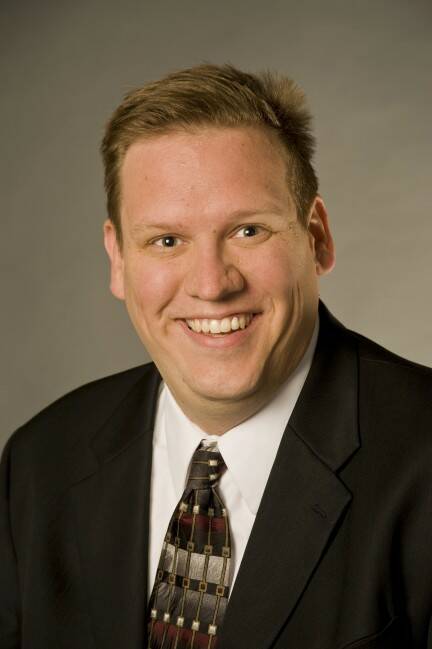
Aaron Miller is a local community columnist. Send comments to editorial@therepublic.com.