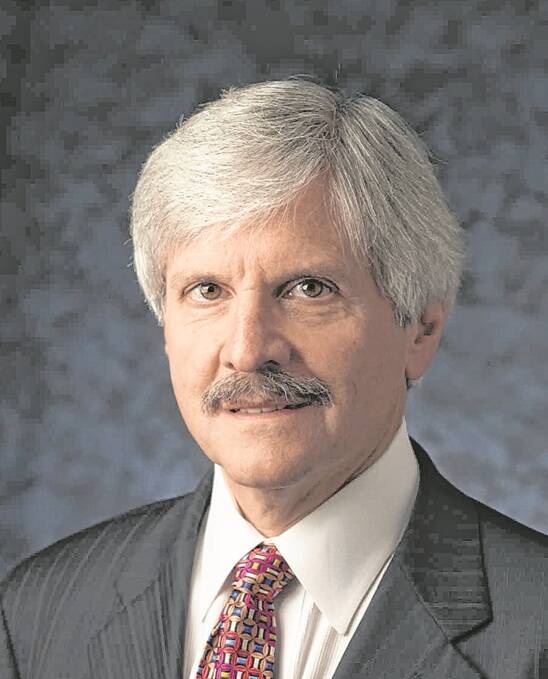
Dr. Richard Feldman
The measles outbreak recently seen in America is a bellwether – the canary in the coal mine. It portends potential further reoccurrences of vaccine-preventable diseases.
With declining vaccination rates from growing vaccine opposition, hesitancy, and complacency, it makes sense that the measles outbreak would be the first to emerge; measles is one of the most contagious viruses known. It takes a 95 percent vaccination rate to maintain “herd immunity.” Now, many communities and even whole states are below that threshold. Measles is also surging globally.
Herd immunity eliminates the risk of sustained transmission needed for infectious disease outbreaks. It’s also essential to protect infants too young to be immunized, those with contraindications to vaccination, the immunocompromised, and the elderly. Vaccination is more than about individual protection; it is a shared responsibility to protect the most vulnerable among us.
The recent measles outbreak, the largest since measles was declared eliminated in 2000, began in West Texas in an under-vaccinated community and spread to surrounding states. This outbreak has killed at least two children (the first pediatric measles deaths since 2003) and has caused over 1,400 confirmed cases. At least 42 states are affected. About 13 percent of cases result in hospitalization, including a 20 percent hospitalization rate for children. It’s an outbreak of the unvaccinated. Only 4 percent involve fully vaccinated people.
Many parents delay measles vaccination; others increasingly claim school vaccine exemptions; some rely on alternative ineffective treatments promoted by Robert F. Kennedy, Jr. There is no substitute for the measles vaccination, which is 97 percent effective after full immunization. It’s one of the most effective vaccines known and creates lifetime immunity.
The vaccine is proven to be extremely safe by numerous studies. Despite the disinformation from federal officials and others, the measles vaccine does not cause autism and is not more harmful than the disease that it prevents. Significant side effects are extraordinarily rare.
According to the Centers for Disease Control and Prevention, before 1963 when the measles vaccine became available, 3-4 million Americans contracted measles with 48,000 hospitalizations and 500 deaths yearly from complications such as encephalitis and pneumonia. An article in the Journal of the American Medical Association reports a 10 percent decline in MMR vaccine coverage would result in 11 million measles cases over 25 years. If measles becomes commonplace, even the vaccinated would become at increased risk since the vaccine is not 100 percent efficacious and exposure would increase.
If other childhood immunization rates fall along with measles, we could eventually see a return of diseases like polio, rubella, mumps, chickenpox, and diphtheria. The CDC reports declining vaccination rates in over 30 states for these diseases and others. Huge increases in whooping cough are already occurring.
Vaccination is the victim of its own success – the absence of disease and the fading memory of the diseases prevented. It’s also a victim of rampant vaccine disinformation from federal health officials, politicians, and antivaccine advocates. According to a survey conducted by the Kaiser Family Foundation, the public is quite confused about what to believe regarding the false claims being propagated. Twenty-five percent surveyed believe that vaccines cause autism.
With the dismantling of credible vaccine leadership and scientific infrastructure, the CDC is no longer reliable. It will be up to multistate-immunization alliances, health departments, and public health and health-professional organizations to promote vaccination and issue sound information and recommendations.
The reemergence of measles is due only to one thing – a failure to immunize.
Dr. Richard Feldman is an Indianapolis family physician and the former state health commissioner. Send comments to editorial@therepublic.com.