Raja Ramaswamy
In Bloomington, a packed auditorium at Indiana University heard Gov. Mike Braun speak at a Turning Point USA event that drew thousands of students. The gathering came just weeks after the assassination of Charlie Kirk and it underscored how powerfully speech can unite or divide a community. Yet while one part of campus celebrated the right to assemble and speak freely, another faced the loss of that same freedom.
Indiana University ended the print edition of its student newspaper, the Indiana Daily Student, and dismissed its adviser, Jim Rodenbush, after he refused an administrative order to limit content in a Homecoming issue. The university cited a structural deficit and a move toward digital publishing. I along with many others see something else: an attempt to control editorial content. For a public university meant to foster open inquiry it sent a chilling message.
If our largest university can silence its own student journalists, what does that say about free expression across Indiana? We champion cherished liberties, from the right to bear arms to the right to worship freely and pursue opportunity. Yet the First Amendment the foundation of all those freedoms often lacks the same defense.
The university has since reversed its stance on print editions but tensions are still high.
Free expression faces new pressures across our state. The Attorney General’s “Eyes on Education” portal, launched in 2024, invites citizens to report teachers and schools for “inappropriate” materials or comments. Marketed as transparency, it has instead created fear.
Teachers worry that a book, a classroom discussion, or even a social-media post might trigger an investigation. While no mass firings have occurred, many educators now self-censor to avoid controversy.
National surveys show that more than half of teachers report limiting discussions about race, gender, or current events. Defenders of the portal say it gives parents a voice. But vague accusations and anonymous complaints do not empower families; they intimidate educators. The result is a culture that echoes the McCarthy era, when suspicion replaced dialogue and fear silenced dissent.
In Fishers and Noblesville, the Hamilton East Public Library Board ordered staff to remove and review hundreds of young-adult books, including titles by Indiana author John Green, for “inappropriate” content. After months of public backlash, the board reversed the policy in 2023, but librarians and teachers across the state took note.
In Carmel, repeated challenges to reading lists and classroom materials have left teachers cautious about introducing complex topics. When lessons are trimmed to avoid controversy, students lose the opportunity to think critically about the world around them. These pressures, from classrooms to libraries, shrink open dialogue in communities that once valued curiosity and debate.
We say we cherish our freedoms. Now we have to prove it. The First Amendment deserves the same fierce defense that we give every other right. Without freedom to speak, write, and question authority, our ability to protect any liberty falters.
Free expression is messy. It can offend. It can provoke. But the strength of democracy lies in our willingness to protect even the ideas that make us uncomfortable. When governments or communities decide which opinions are acceptable, no one is safe from shifting political winds.
We do not need portals or book bans to safeguard our schools. We need trust in teachers to educate, support for journalists to report truth, and courage among citizens to disagree without fear. Censorship, whether it comes from the left or the right, weakens the shared foundation we all stand on.
Protecting free speech starts with everyday action. Attend school-board meetings and speak up for fair curriculum policies, as residents did in Noblesville when they pushed to restore banned books. Support student journalists by subscribing to the Indiana Daily Student or donating to the Student Press Law Center. Encourage lawmakers to reform the “Eyes on Education” portal so that only verified complaints, not anonymous tips, trigger reviews. These small steps can rebuild trust and ensure that Indiana’s classrooms and newsrooms remain places for open dialogue.
The First Amendment is the heartbeat of a free society. By defending it with action, supporting educators, journalists, and honest debate, we can keep Indiana a state where liberty is more than a slogan. Free speech, though messy, is our strength. Let us protect it with the same courage we bring to the Second Amendment.
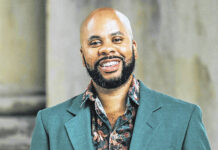
Dr. Raja Ramaswamy is a physician and resident of Carmel, Indiana. He is passionate about health care innovation, equity, and building stronger communities across Indiana. Send comments to editorial@therepublic.com.