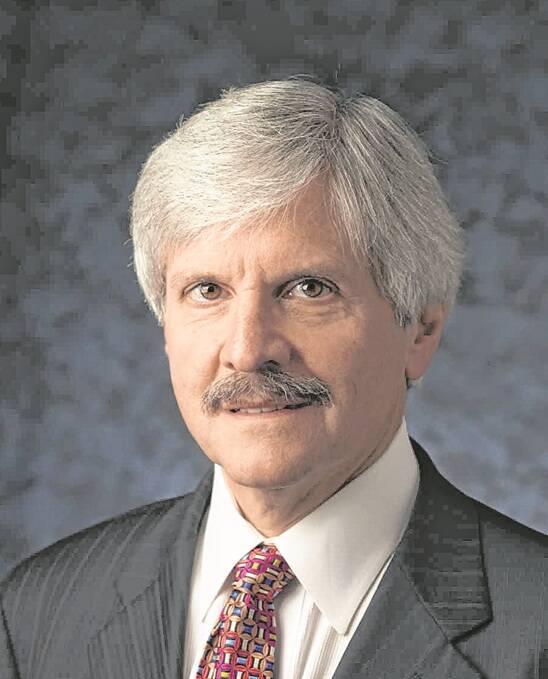
Dr. Richard Feldman
It’s time to consider receiving the newly updated COVID booster to better protect against the continually mutating SARS-CoV-2.
Unfortunately, most Americans have COVID in their rearview mirror. Only 23% of adults received last year’s updated COVID booster. COVID “fatigue,” disinformation leading to vaccine distrust, uncertainty, political agendas, and plain old complacency are responsible.
Many believe that COVID is now not much different from a common cold. True, it is less virulent due to progressive favorable mutations and the “collective” immunity that has developed from millions having become infected and/or receiving COVID vaccines. But to think that COVID is merely like a cold is a big mistake. According to the Centers for Disease Control and Prevention, 50,000 people died last year from COVID. And there are potential long-term, life-changing sequelae from COVID.
Let’s take a look:
— Long COVID is a condition of symptoms continuing for at least three months after the infection. An article in the Journal of Medical Virology found that 20% of long COVID patients were still symptomatic at three years; other studies have also found that symptoms can persist for months and years.
Symptoms include extreme fatigue, poor concentration, “brain fog,” cardiac arrhythmias, shortness of breath, persistent cough, chest pain, joint and muscle pain, headaches, reductions in the sense of smell, sleep and mood disturbances, and visual changes.
According to a 2025 Lancet study, 85% of people with long COVID had multiple SARS-CoV-2 infections over the four-year study. The study also demonstrated – consistent with other research – that prior vaccination reduces the risk of developing this condition.
Long COVID isn’t rare. Two surveys, conducted by the Agency for Healthcare Research and Quality and reported in the Journal of the American Medical Association in 2024, established that 6.9 to 8.4% of the U.S. population has ever had long COVID. Midlife individuals, people with chronic conditions, and females had the highest rates. The study also found decreased rates in vaccinated people, especially in those receiving an updated booster. Another 2024 JAMA study demonstrated a 31% higher risk among females.
— COVID can still, albeit uncommonly, cause serious complications. These include acute respiratory failure, acute liver and kidney injury, blood clots and thromboembolism, multisystem inflammatory syndrome in children, stroke, encephalopathy, myocarditis, heart failure, and various other cardiac conditions.
— A yearlong study in the European Heart Journal revealed accelerated vascular aging, especially in women, after a COVID infection. This vascular injury was measured by increased vessel stiffness. A mild COVID infection resulted in about five additional years of vessel aging and up to 10 years if the woman was in the ICU. The aging was most marked among those with long COVID and less pronounced in the vaccinated.
— Recent research published in Nature Communications identified accelerated structural brain aging on MRI imaging among those living through the COVID pandemic. Remarkably, this included even those who were not infected (possibly due to social isolation and other pandemic-created situational factors). The greatest effect was among those infected during the two-year study, especially among older individuals and men. Importantly, a decrease in cognitive function was only observed in those with a history of COVID infection.
There are additional sequelae from COVID infection. Notwithstanding the disinformation, the COVID vaccine is safe and effective in reducing severe infection and long-term ill effects.
Despite the CDC issuing contradictory and confusing recommendations with certain eligibility restrictions, COVID vaccination should now be generally available to anyone who desires one.
Everyone should consider receiving an updated booster.
Dr. Richard Feldman is an Indianapolis family physician and the former state health commissioner. Send comments to editorial@therepublic.com.