Phillips
Phillips
The graduation rate for Bartholomew Consolidated School Corp. Class of 2025 is the highest in at least two decades, something district officials assert is evidence of the continued success of the district’s team cohort model and the impact of 2020’s operating referendum.
BCSC’s Class of 2025 earned a 92.4% graduation rate, up 10 points from just three years ago and two points higher than BCSC’s Class of 2024’s graduation rate. It’s also the highest graduation rate the district has had in at least 20 years, when the state began using its current methodology for determining graduation rates.
The cohort’s graduation rate notably eclipses the statewide graduation rate for 2025 of 91.83%, a new state record and up 1.6 percentage points from last year.
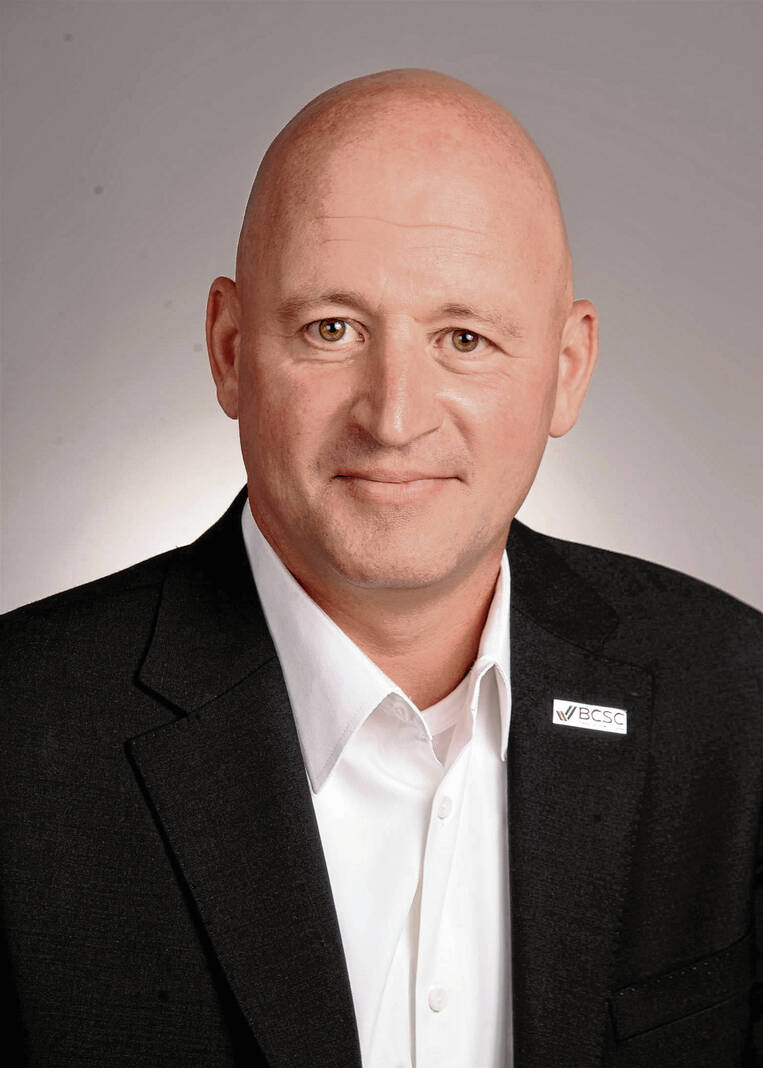
“Thanks to their hard work and the support of our community, hundreds of additional young men and women have a high school diploma today,” BCSC Superintendent Chad Phillips said. “These results show that student outcomes are a top priority at BCSC.”
Charles Edwards, BCSC’s director of secondary education, touted the progress, calling it a “remarkable accomplishment” that’s a “testament to the dedication and commitment of our entire high school community.”
“It’s nice to be able to say: we’re doing more, for more students,” Edwards said.
BCSC went to the team cohort model — which provides personalized guidance for all four years of a student’s high school experience — starting with the 2023-24 school year. Graduation rates between the 2022-23 and 2023-24 school years went from 83.4% to 90.1%.
Cohorts are built on “four simple principles,” Edwards said, getting to know families, getting to know students, building meaningful relationships and helping students graduate. There were 25 additional students who walked across the stage and received their diploma last year that otherwise would not thanks to the cohort model.
The cohort teams are made up of an assistant principal, guidance counselor, academic coach and administrative assistant. The groups meet weekly to monitor academic progress, attendance and engagement. The teams proactively identify students who may be off-track and put together supports to help them course correct.
Edwards was joined by Brelyn Nolting and Blake Manuel, who worked with the 2025 cohort, to provide some insight into how the cohort model supported student success.
The pair talked about the intentionality each team cohort takes in getting to know individual students and families, and how they aim to set them up for success. This includes writing hundreds of letters of recommendation, thousands of contacts with students and families and connecting students to opportunities they might be interested in.
There a few things in the “secret sauce” that makes the cohorts work, including setting a culture of continuous improvement and ensuring that each team functions similarly, BCSC officials said.
It ultimately boils down to the cohort teams “listening to them (students) and figuring out what makes them tick,” according to Nolting.
Nolting said that starting when students are freshmen, the cohort teams work to chart out different classes a student may want to take given an interest in business, for example. They also compile information about what each students “spark” is — meaning what they are interested in — and build a foundation around that.
Another important component of the progress, BCSC officials said, is the district’s ability to hire and retain qualified staff because of the boost through 2020’s operating referendum.
BCSC officials previously presented preliminary data which show graduation rates for the classes 2026, 2027 and 2028 are expected to be 95.5%, 95.7% and 93% respectively.