I recently reread Mike Rose’s book “Lives on the Boundary.” Rose grew up in a Los Angeles ghetto, making him one of America’s educationally underprepared.
He shares his own experiences with education from grade school through college, as well as those of many of his students, while he discusses methods he uses to help these students.
Many underprepared students are labeled as illiterate, intellectually deficient or slow learners when in reality they are capable and full of potential. These labels negatively impact students both educationally and socially. The real issue for these students is the lack of educational resources and support to allow them to thrive in our current educational system.
Rose shared some of these labels, but had teachers in high school and college who saw his potential and helped him acquire the skills and knowledge he needed to succeed. Rose tries to do the same with his students, discovering their specific educational pitfalls and supplying support, tools and strategies to enable their educational growth.
I first read Rose’s book as a young college student shortly after it was published in 1989. Although I couldn’t connect Rose’s ideas to my own experiences then, I can now. I’ve taught students who struggle academically, and learned how our educational system functions. But what stood out to me the most in rereading Rose’s book was how relevant his ideas still are 30 years later. We still have many of the same problems. Students are assessed and then classified often without considering factors beyond the classroom. Students frequently then define their ability by that label, causing them to lose hope and preventing them from growing educationally.
So, why do we keep treating students this way? Determining why students struggle and then providing appropriate instruction and support takes time and effort. As a teacher, I have too many students and too many other teaching responsibilities to give each of my students all of the individual support they may need.
Thankfully, our local schools have found a few ways to help provide some of this support. At the college level, Ivy Tech, IUPUC and Purdue Polytechnic all share the Academic Resource Center, which provides one-on-one tutoring in a variety of subjects. Additionally, these colleges utilize supplemental instruction leaders in many of the entry-level math, English and science classes. These leaders are college students farther along in their education who attend the entry level class and then plan separate instruction outside of class to reteach concepts, teach skills or address questions the students may have. The students in the entry level classes often find that asking another student their questions is less intimidating than asking their professor.
Ivy Tech also provides some co-requisite classes in math and English. Students who do not have the necessary skills for the entry level class take a developmental class at the same time as the entry level class. The developmental class is structured to help the students learn and practice the skills they need to succeed in the entry level class.
At the K-12 level, Bartholomew Consolidated School Corp. uses the Book Buddies and iGrad programs to provide extra support for students. Book Buddies are community volunteers who tutor individual second- and third-graders to help them improve their reading skills. The iGrad program pairs adult volunteers as tutors or mentors with students with academic barriers in Grades 8-12 to support these students in both their academics and life skills. This program has also expanded into other nearby counties.
Although not directly connected to the school system, the Big Brothers Big Sisters program provides additional support for youths facing adversity in their lives. Life challenges such as family conflicts or difficulty making friends often prevent youth from doing well in school, so assisting youth with their issues can also help them scholastically.
Book Buddies, iGrad and Big Brothers Big Sisters all need volunteers. Check out the programs and see where you can help. Find more information about Book Budies at barthcobookbuddies.weebly.com. Visit ivytech.edu/columbus/igrad/index.html to learn more about the iGrad program. More information about Big Brothers Big Sisters can be found at foundationforyouth.com/programs/bbbs. If this this type of volunteering doesn’t work for you, you could take the time to mentor a student you know.
If we all work together to support students, maybe we can achieve Rose’s dream of equal educational opportunities and hope for everyone.
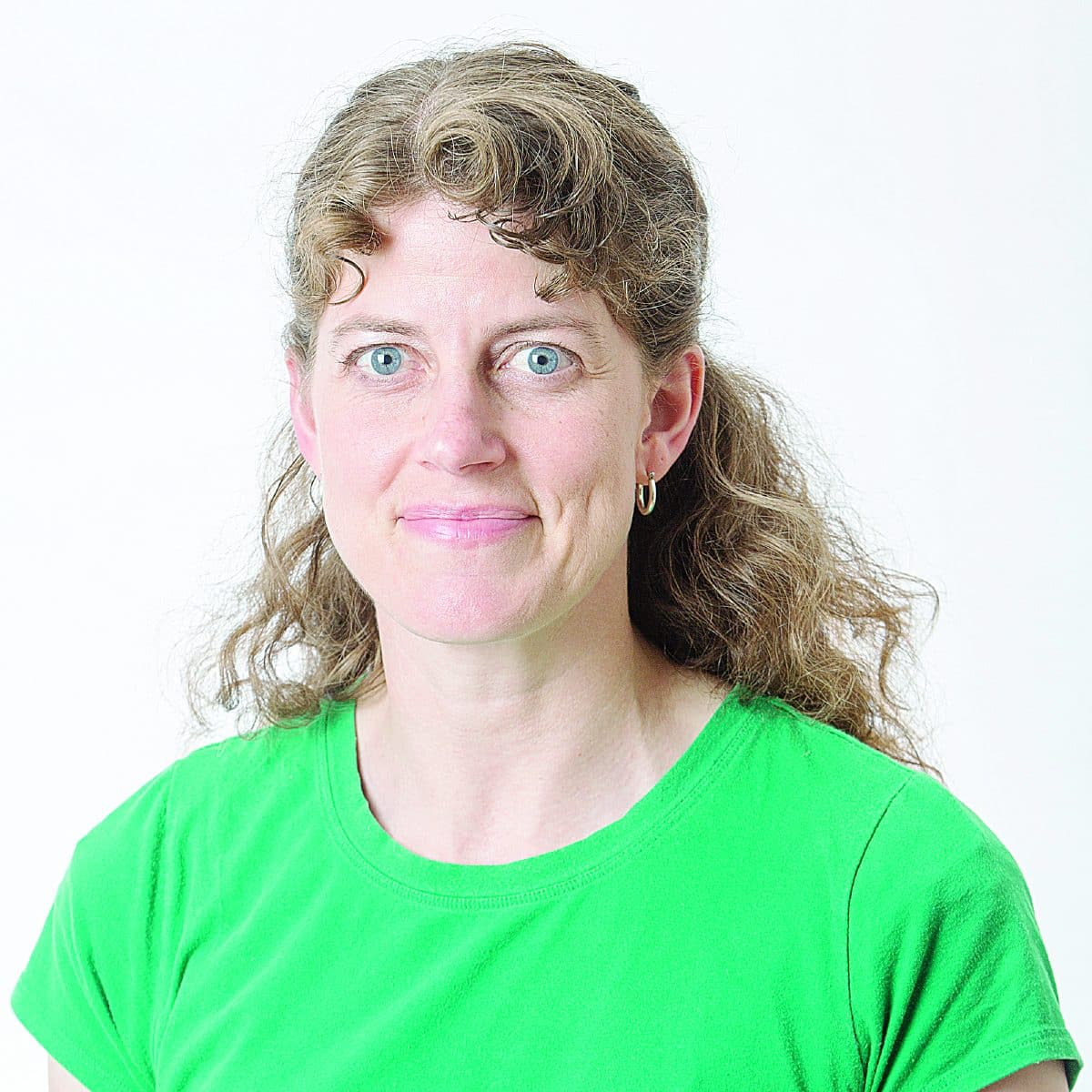
Susan Cox is one of The Republic’s community columnists, and all opinions expressed are those of the writer. She is a mother and an adjunct instructor of English at Ivy Tech Community College Columbus and Indiana University Purdue University Columbus. She can be reached at editorial@therepublic.com.