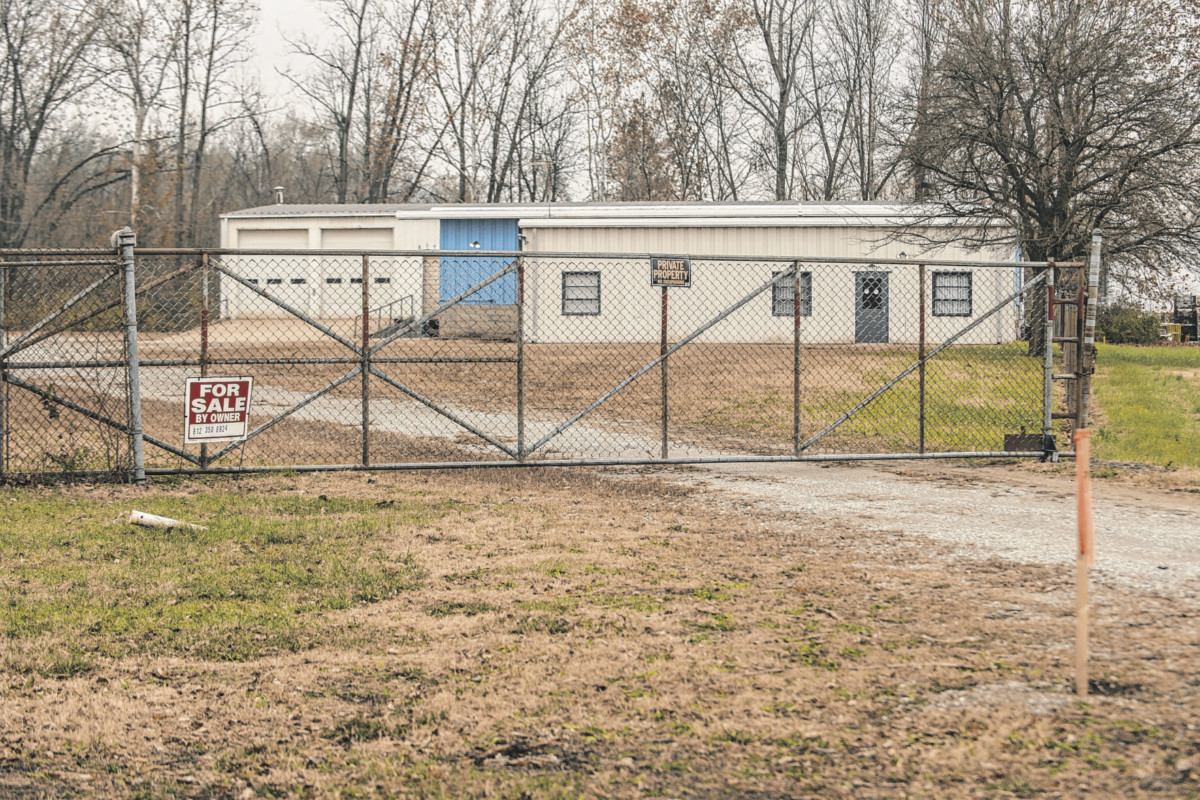
State officials have concluded it is not viable for the former Machinery Moving Inc. to clean up an environmentally-contaminated property the Columbus Parks Board purchased from Mayor Jim Lienhoop’s aunt even though the company “likely” was responsible for soil and groundwater contaminants there.
Indiana Department of Environmental Management officials determined that the company, which operated three underground fuel storage tanks at 1360 Jackson St. in the 1970s, had been “sold twice since the time it operated on the site,” and the changes in ownership meant that the firm could no longer be viewed as the same entity that owned the storage tanks believed to have caused the contamination, said Stephanie McFarland, spokeswoman for the Indiana Finance Authority’s Brownfields Program.
The determination was a requirement for the property to be deemed eligible for the state taxpayer-funded Petroleum Orphan Sites Initiative, or POSI, which seeks to help communities across the state address petroleum contamination caused by leaking underground storage tanks that “cannot be addressed by the party responsible for cleanup as a result of an inability-to-pay, bankruptcy or other factors,” according to the program’s website.
“IDEM’s (Underground Storage Tank) Section determined that Machinery Moving, Inc., as owner of the USTs (underground storage tanks) from which the petroleum detected at the site was likely released, is likely the party responsible for the cleanup,” McFarland said in a statement to The Republic. “However, Machinery Moving Inc., as it existed at the time it operated the USTs on the site, is viewed as no longer being a viable entity due to the fact that the company has been sold twice since the time it operated on the site. It appears that the original Machinery Moving Inc. entity may have survived to retain title to the real estate but is not the same company doing business today as Machinery Moving, which is Thomas Plastic Machinery Inc. With this conclusion, and the transfer of the property to ownership by (the city of Columbus), the program and IDEM concurred that the site was eligible for POSI funding.”
For more on this story, see Wednesday’s Republic.