When thinking about growing up as a little girl in Oregon during the ‘70s, part of my memories always include the sweet aroma of honeysuckle. I would pick the beautiful trumpet-shaped flower and suck the honey sweetness from it!
Ah, those were the days.
This reminded me that September happens to be National Honey Month. Its main purpose is to help promote the beekeeping industry, and the use of honey in our diet. I found some wonderful resources here at the library to help guide interests in anything honey.
In my quest to learn more about beekeeping I found out that our loss of bees is most likely due to changing climate, loss of habitat, and various diseases and pesticides. (“Where Have All the Bees Gone?” by Rebecca E. Hirsch.)
This led me to a few other books in our library. “A Short History of the Honey Bee” by E. Readicker-Henderson, and an article from National Geographic’s May 2020 issue about bumblebees and other insects. I had no idea that “bumblebees can help pollinate around 3,000 flowers a day, and that nearly 90% of flowering plant species and 75% of crop plant species depend on pollination by animals (mostly insects).”
I enjoyed the book, “Save the Bees with Natural Backyard Hives,” by Rob and Chelsea McFarland. I was impressed with how the authors shared about the ease of attracting and keeping bees to create unprocessed honey in an urban or country setting.
If reading about the loss of bees in our climate, and how important it is to save these buzzing honey producers, interests you, then read “The Beekeeper’s Lament” by Hannah Nordhaus. This is a wonderful story about how one man employed a half a billion honey bees to help feed America.
The two books in our collection that also may inspire you to help that golden sweet nectar continue to flow are: “The Backyard Beekeeper” by Kim Flottum, and “The Bee-Friendly Garden” by Kale Frey and Gretchen LeBuhn. Both of these share inspiring and simple ways to attract and maintain bees in your own backyard. After getting some honey sources started then it is time to add this natural sweetness into your diet.
A really great book called, “Make Mead like a Viking” by Jereme Zimmerman will instruct you on the various ways of making mead and the ceremonies surrounding this potent drink. You will want to grab a spear, and ceremonial cup filled with the nectar of the Gods soon after perusing this gem!
The cookbook “Sweet Nature,” by Beth Dooley and Mette Nielsen, makes use of honey and maple syrup in some tasty treats like baked beans, pan-charred honey-glazed salmon salad, and Asian ginger honey sauce.
When you are finally exhausted and filled to the brim with honey delights, why not take a moment to read the beautifully illustrated picture book “Honey…Honey…Lion!” by Jan Brett, to a child.
If you enjoy adult fiction I wanted to remind everyone that the new book club at BCPL, “All Book’d”, will be reading and sharing about the novel, “The Beekeeper of Aleppo,” by Christy Lefteri, on Sept. 29, at 5:30 p.m.
Join us live on Zoom to share the many facets contained within this complex story about a Syrian beekeeper. So whether it is beekeeping, the use and consumption of honey, or just reading a book with honey mentioned in it, I hope you enjoy this sticky, amber delight we all love called honey!
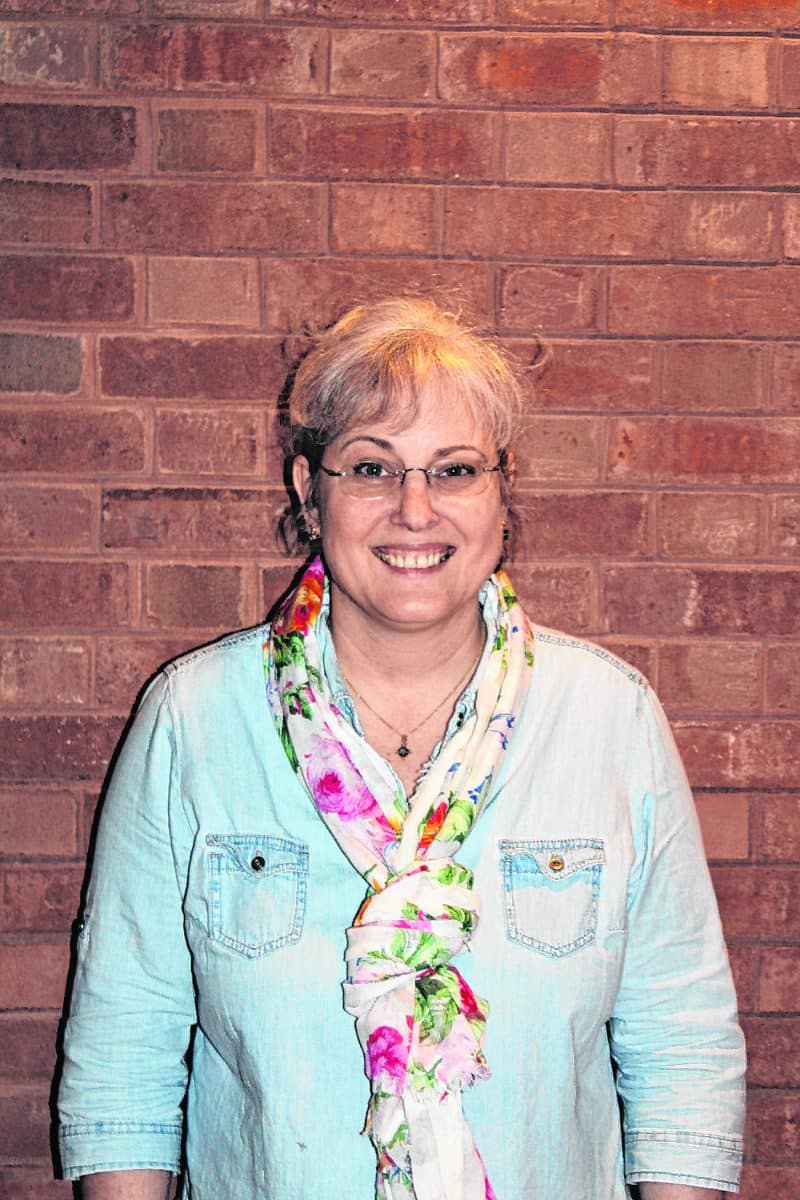
Michelle (Shelly) Bishop works in adult circulation at the Bartholomew County Public Library. She can be reached at mbishop@mybcpl.org.