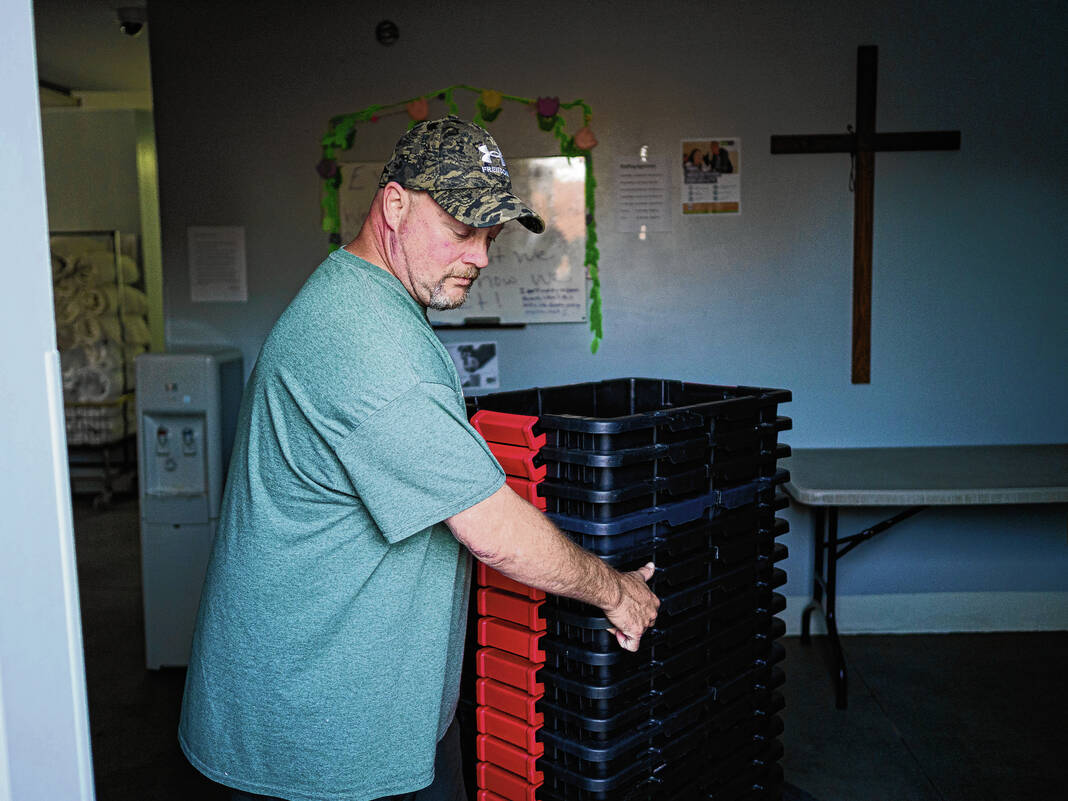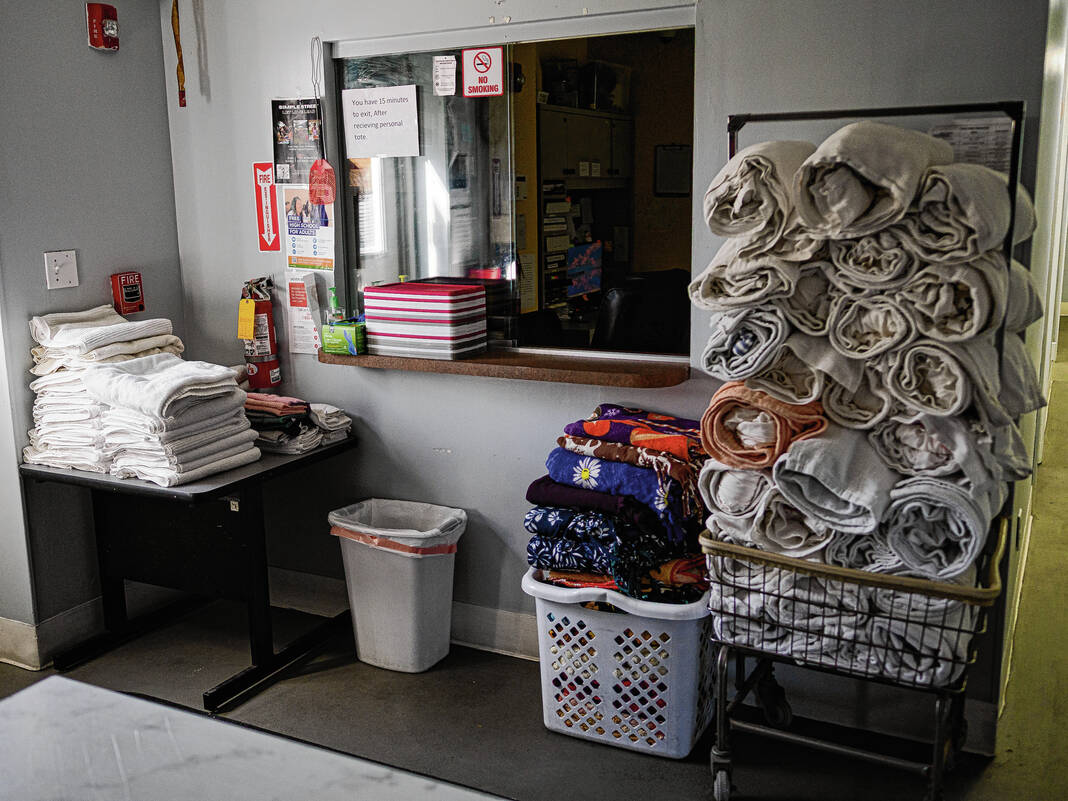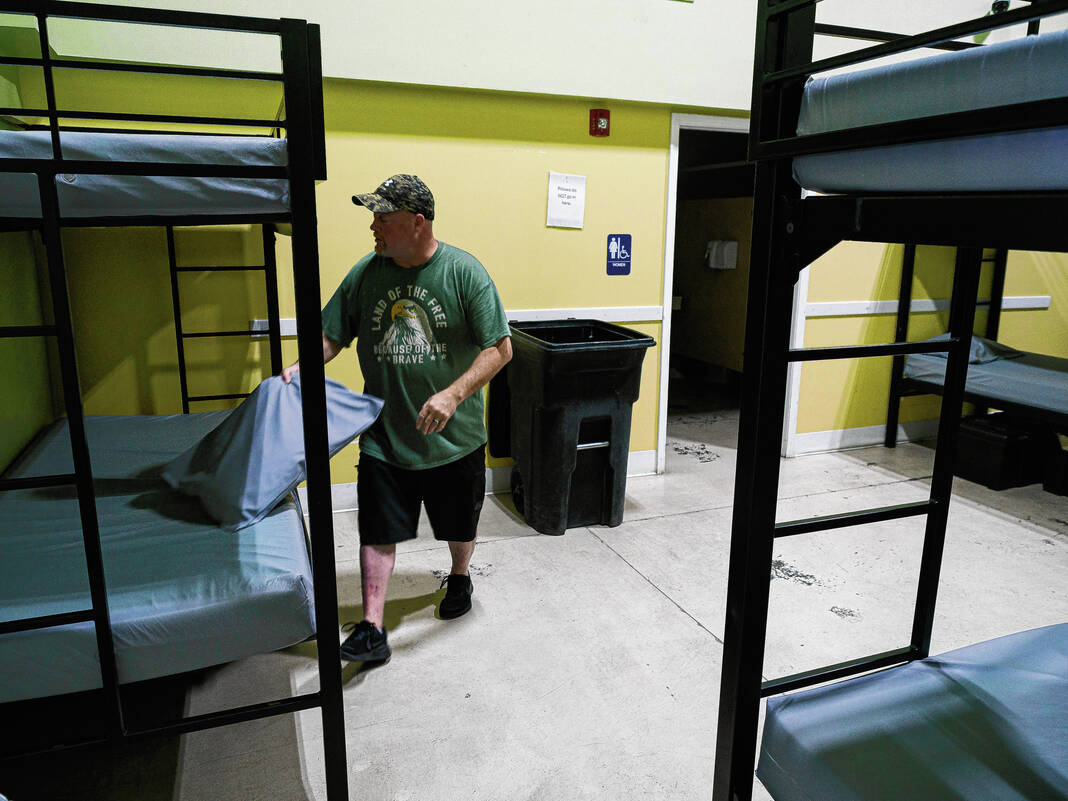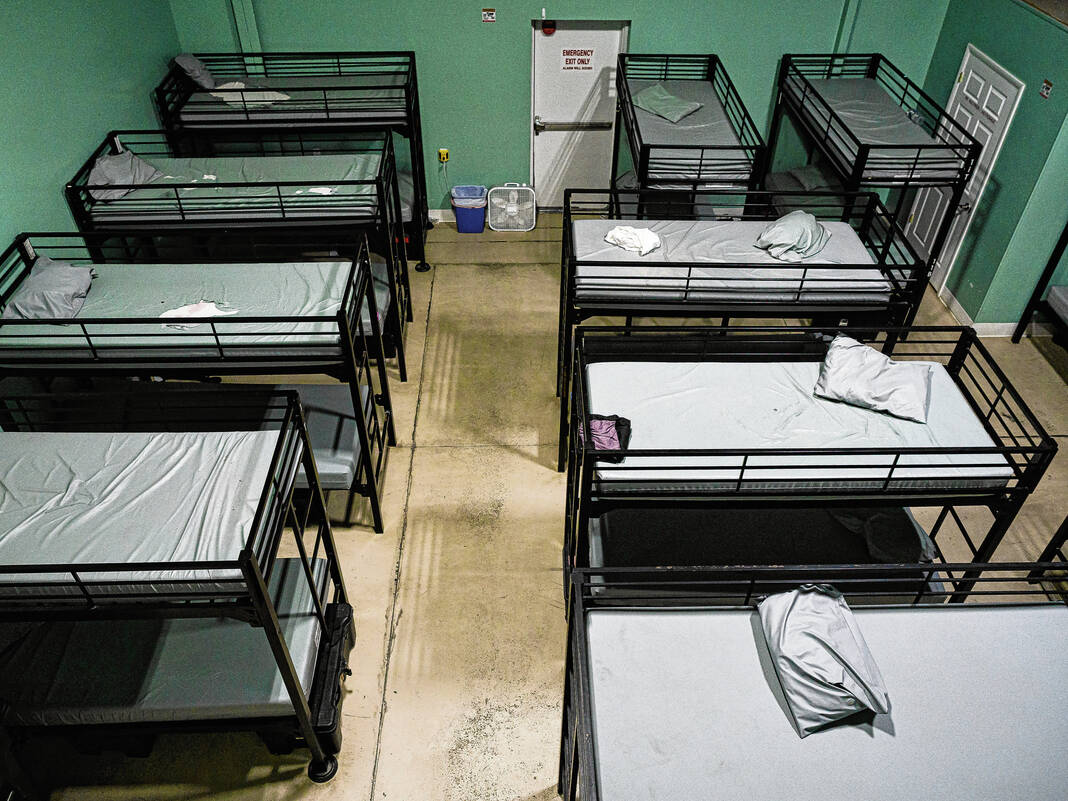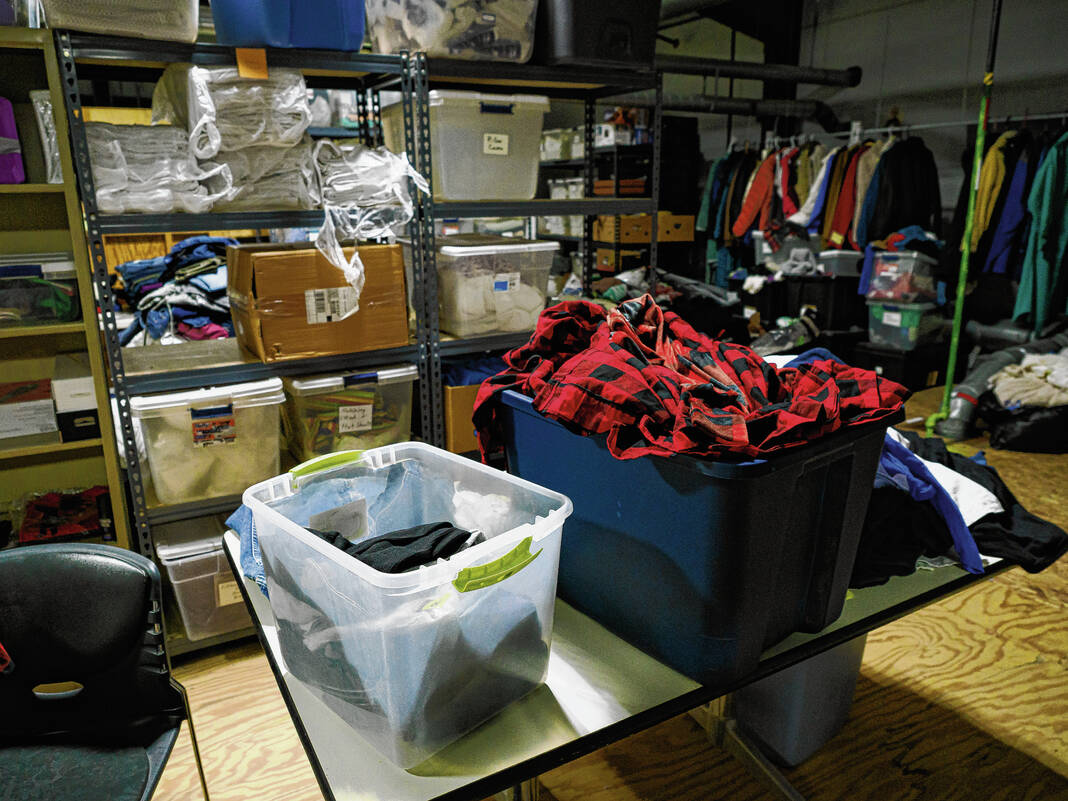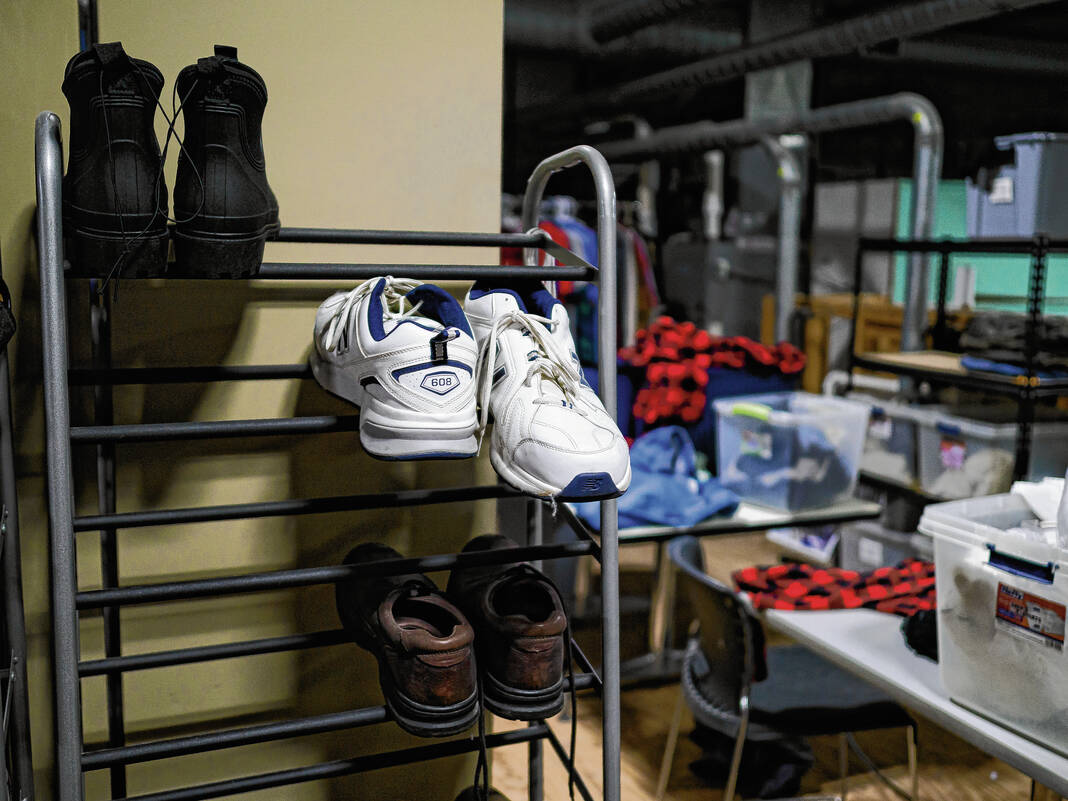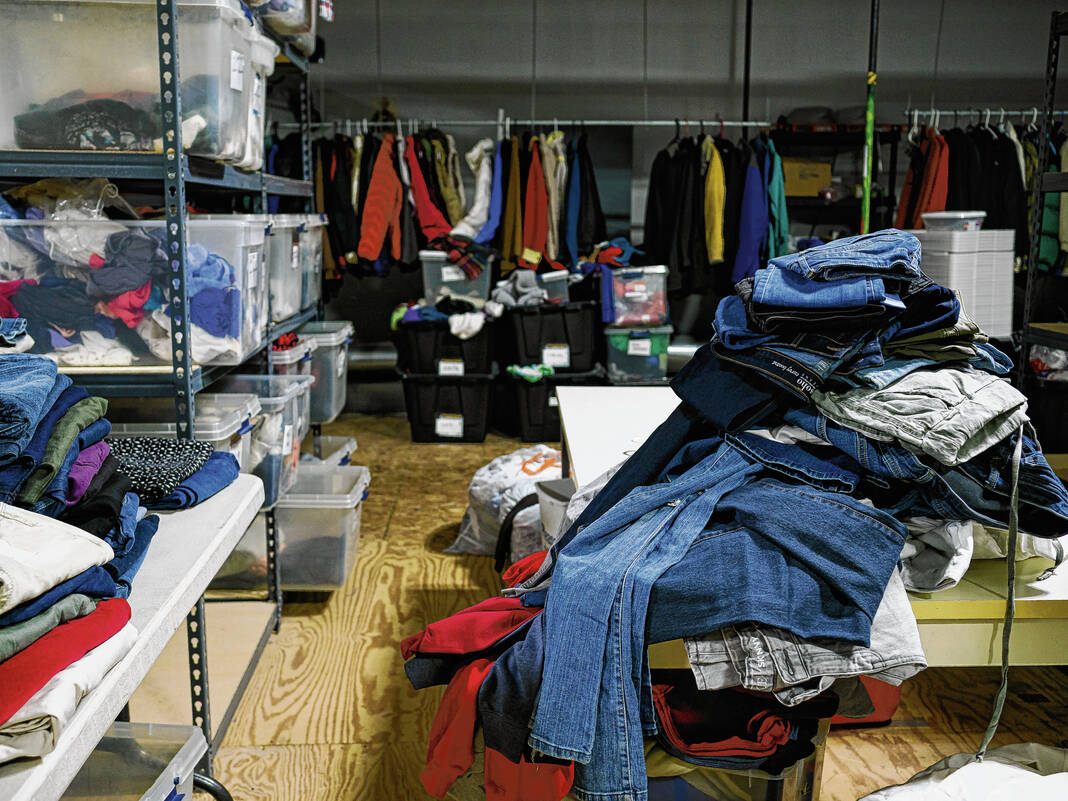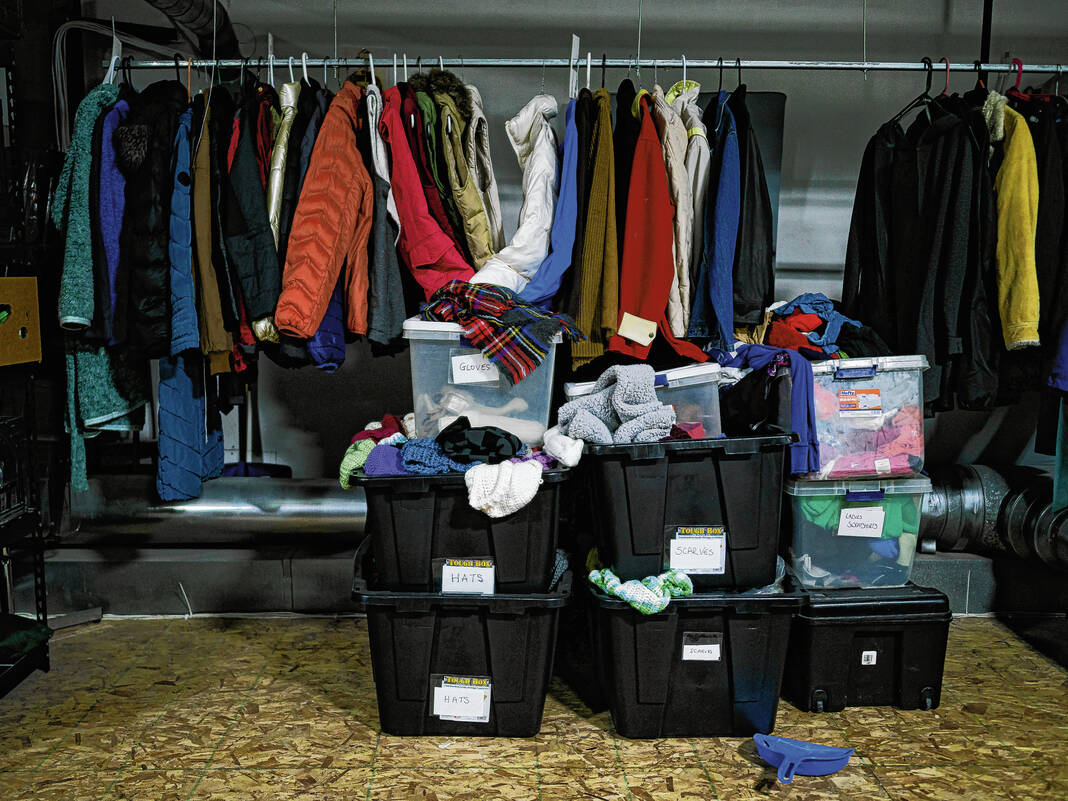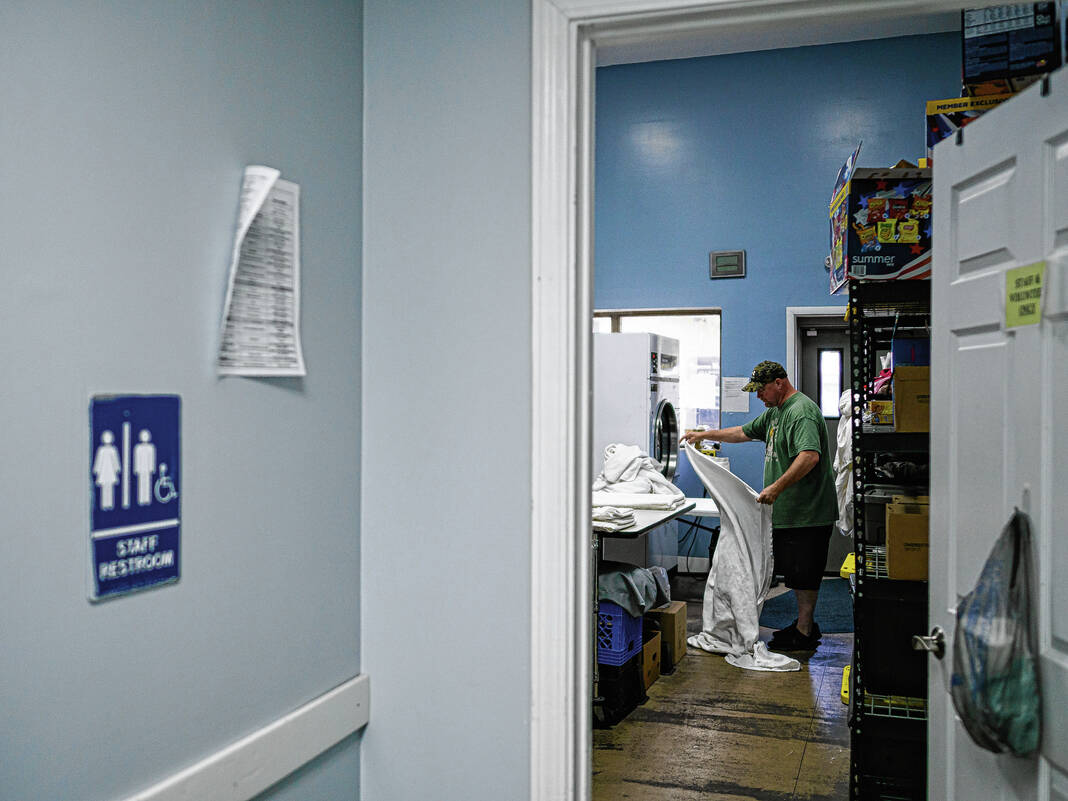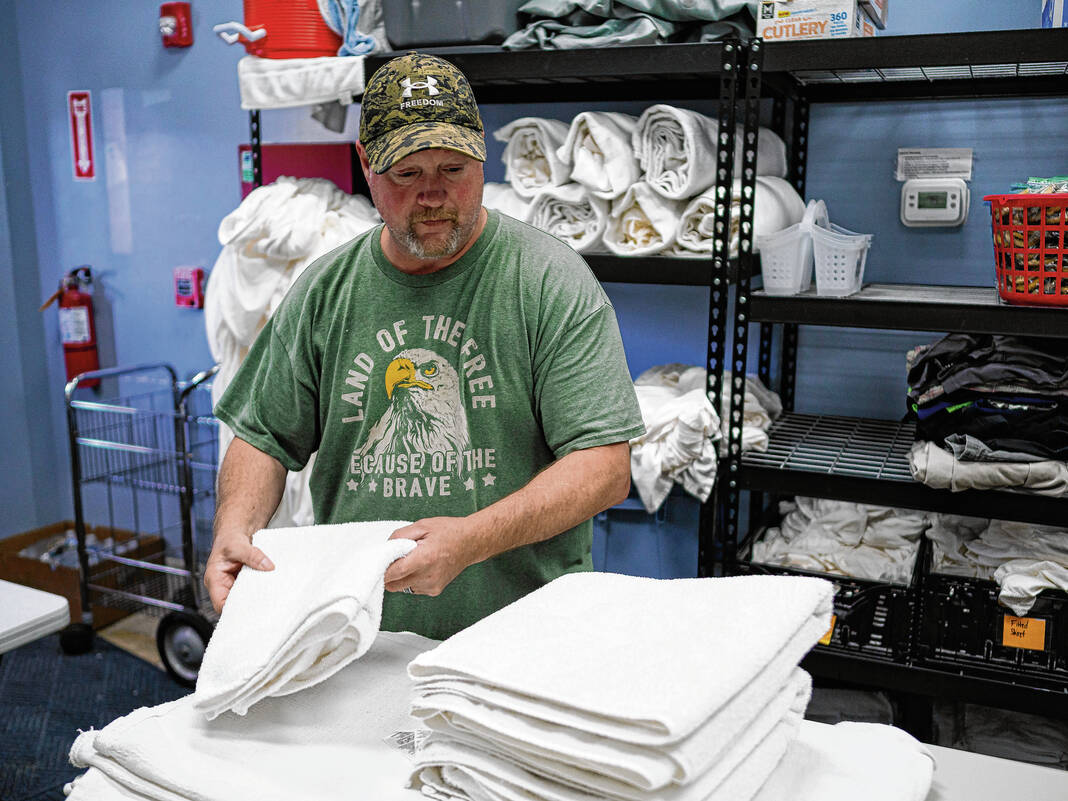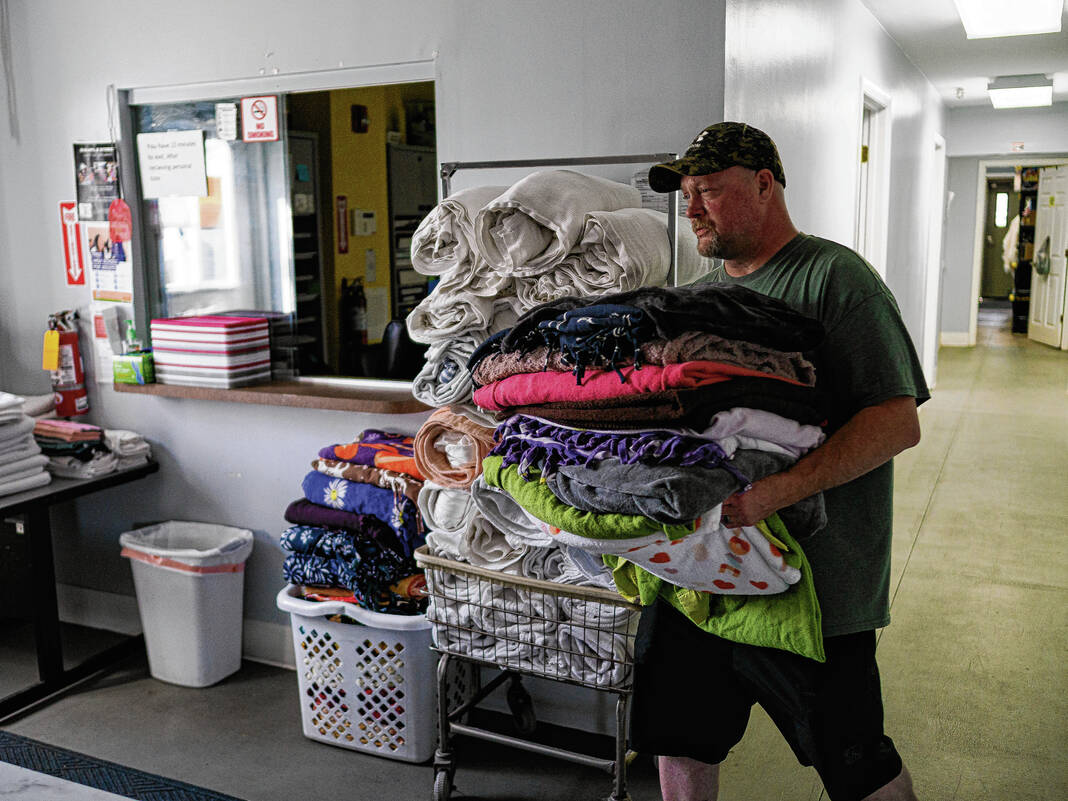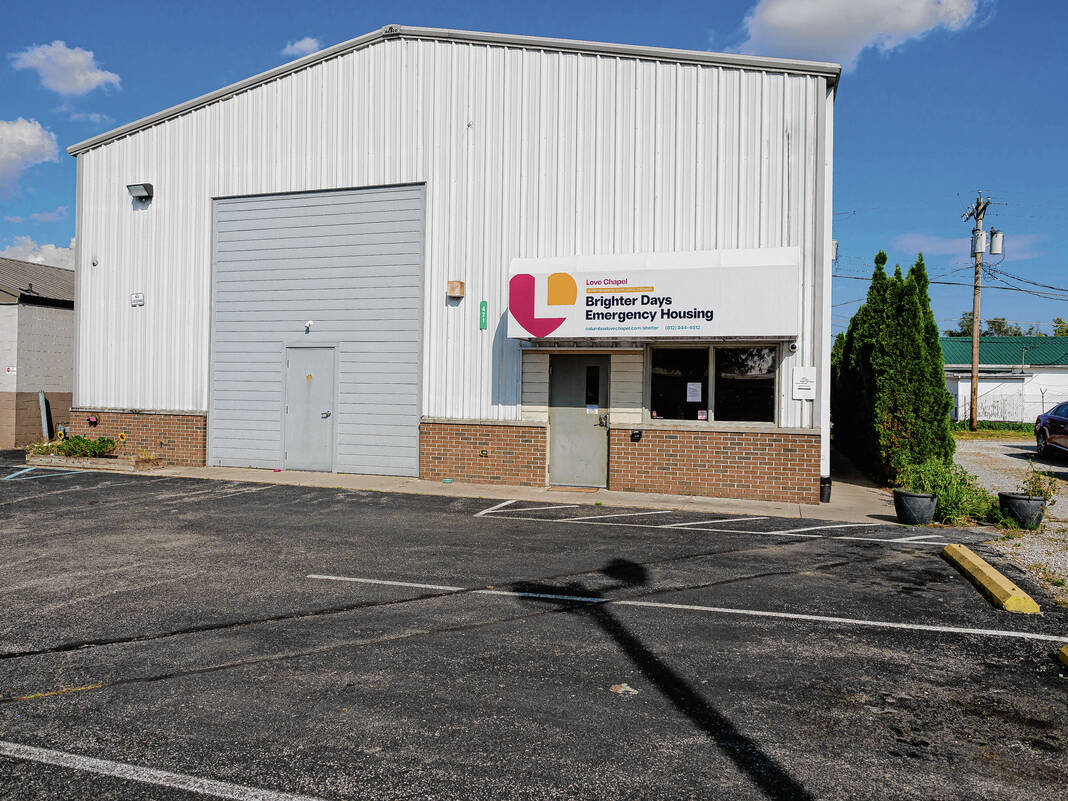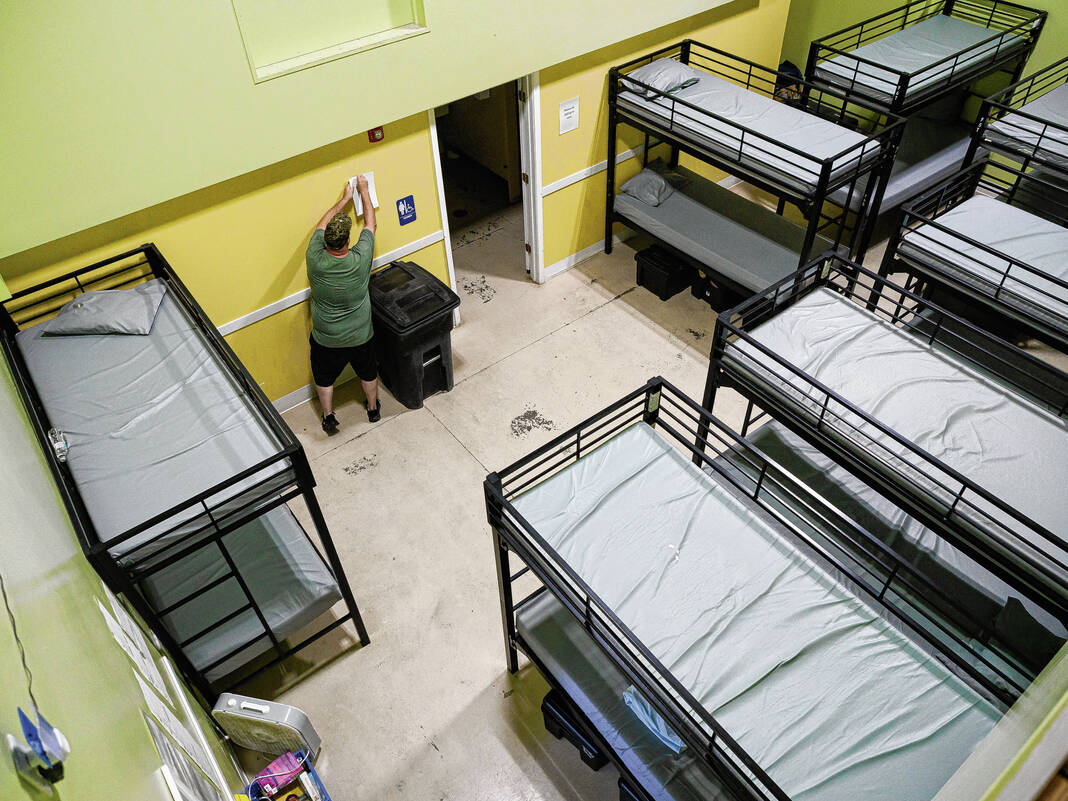
Mike Wolanin | The Republic Scott Jennings straightens up the women’s dormitory at Brighter Days Emergency Housing shelter in Columbus, Ind., Wednesday, Sept. 10, 2025.
City officials have cleared two homeless camps in central Columbus in recent months as part of the community-wide homeless initiative.
The camps, located north of the intersection of Jackson and 11th streets and south of the 800 block of Second Street, were cleared by early July after weeks of preparations and efforts to connect people living there to resources, officials said.
An estimated combined total of 45 people were living in the two camps, which were believed to have existed for at least a couple years.
Many of the people who were living in the camps were rehoused in a variety of accommodations, including “pretty traditional apartment complexes,” living with relatives, boarding houses where they rent a room by the week, among others, according to United Way of Bartholomew County President Mark Stewart.
“Many of them have been rehoused,” Stewart said. “I think our latest number is that we have rehoused 89 folks. Not all of them were in encampments, but many were. Some of them did go to Brighter Days also. And then others … were able to find a different situation on their own living in stable housing. Those are the three primary outcomes.”
Brighter Days, a local emergency housing facility operated by Love Chapel, saw a large increase in the number of people seeking shelter last month after both camps had been cleared, officials said.
In August, Brighter Days saw an average of 35 people seeking shelter, up from the average of 18 people who generally stay at the shelter in August, according to Love Chapel Executive Director Kelly Daugherty.
Daugherty largely attributed the increase to the city’s efforts to clear the homeless camps. The shelter has not had issues accommodating the increased demand and has not had to turn anybody away, he said.
“(City officials) have gone through and cleaned a lot of camps out, which has displaced a lot of those folks, and some of them have come to stay at Brighter Days,” Daugherty said. “…I’m not saying I disagree with that or agree with it — either one. It’s just a reality. I call it a growing pain in the city’s attempts to try and help with homelessness, and I think they’re on the right track to try and do that. It’s just there are going to be growing pains as you go through that.”
Homeless initiative
The clearing of the two camps this year comes after local officials launched a community-wide effort to confront homelessness in 2023. Last month, officials said the initiative had led to a reduction in the number of people in Bartholomew County without stable housing — including what they described as a 60% decline in homelessness over the past two years.
The initiative is a partnership between United Way of Bartholomew County, the city of Columbus and other organizations in United Way’s social service network.
As of last month, the organizations in the initiative had helped a total of 82 previously unhoused individuals secure stable housing and had prevented an additional 67 people in Columbus from falling into homelessness, according to figures from United Way of Bartholomew County. The number of people who have found stable housing through the initiative has since increased to 89.
Last month, Stewart characterized the reduction in homelessness as “very significant” but also acknowledged that major obstacles remain — including finding more help for homeless individuals who have mental health issues and/or substance use challenges.
Additionally, Stewart said the longer people are living in an encampment, “the harder it is to help someone find their way back to being rehoused because that becomes the norm of what they’re used to.”
Clearing the camps
Officials said clearing the camps “wasn’t something that happened overnight,” but rather was the result of several weeks of coordination with local organizations and city officials to connect people living there with resources.
The efforts have involved United Way, Columbus Code Enforcement, Columbus Police Department, Columbus Department of Public Works, among others, officials said.
Columbus Code Enforcement referred questions about clearing the camps to Jody Coffman, the city’s communications and events coordinator. Coffman referred questions to United Way.
CPD, for its part, said its officers participated in the efforts, including officer Cody Wooten, the department’s homeless liaison, who serves as the “go-to person” for engaging with unhoused individuals, building rapport with them and offering community resources. Wooten also works with United Way, the Stride Center and the Community Engagement Center.
CPD spokesman Lt. Skylar Berry said Wooten goes into camps weeks, and sometime months, before they are scheduled to be cleared to give “people a heads-up … and try to offer resources.”
United Way also sent case managers into the camps “multiple times” before the camps were cleared, Stewart said.
“We were very intentional in sending folks out to the camps for assistance. Typically, about 50% of the people in the camps were interested (in the assistance),” Stewart said. “…We went about it in a pretty intentional way in partnership with the city. We did talk to everyone who would have been impacted multiple times in advance.”
Next, officials posted signs 72 hours at the camps before they were scheduled to be cleared to notify people that they would need to leave.
On the day of the clean-ups, Columbus Code Enforcement and CPD, including Wooten, went into the camps to make sure nobody was still staying there before the Columbus Department of Public Works started to clear the camps.
“(CPD’s) primary function is not to go in and try to arrest anybody,” Berry said. “It’s to make sure that we get them to where they need to go safely. Officers are helping people pack their stuff up and helping make sure that they get a ride to go where they need to go.”
Public health risks
Officials said the camps can pose a variety of public health risks and often have “deplorable” conditions.
“Some of them are very unsanitary with regard to human waste,” Stewart said. “It’s not uncommon to come across that very near the campsite. …Just from a health perspective, (there are) a lot of untreated mental health concerns and substance misuse concerns.”
Additionally, officials have seen “unhealthy relationships” — often between women in their 20s and older men — in which given “some of the dynamics at play … you’re pretty sure that the young women are being taken advantage of.”
“There are just all sorts of unhealthy things that can happen in a camp that we see,” Stewart added. “It really is heartbreaking.”