I am troubled by all the current talk of political redistricting. Generally, redistricting is done every 10 years after the census so that the boundaries of congressional and state legislative districts reflect population changes. Each state determines the boundaries for their congressional districts, attempting to include roughly equal numbers of people in each district. Redistricting midcycle is usually only done if the maps violate the Constitution or other laws.
President Trump has been pushing states, including Indiana, to redistrict this year so Republicans can maintain their majority in Congress in the 2026 elections. I am particularly angry with President Trump’s comment that Republicans were “entitled to five more seats” in Texas. No politician is entitled to any seats. Seats have to be earned and all of this midcycle redistricting feels like a way for politicians to get around actually having to earn their positions. They want to change the rules of the game midgame since they don’t seem to be winning.
The current redistricting push is not to make the districts more representative of the voters but rather is a way to dilute the votes of the opposition party. This type of boundary making is called gerrymandering and both political parties engage in it. The two main ways this is done are “cracking” or “packing” districts. Cracking spreads voters of a particular party or identity group across several districts so they can’t form a majority. Packing puts all of those voters into a small number of districts limiting their representation.
Besides not accurately representing voters, gerrymandering makes political races less competitive. Politicians in “safe” seats don’t need to listen to citizens with different political viewpoints and they’re pushed to appeal to the extremes to score points against the opposition instead of working with them to solve the problems that matter to voters. This is very apparent today as Congress doesn’t get much done and ideas seem to be rejected solely because the other party came up with them.
Another problem with gerrymandering is that the redistricting process is often controlled by the party that benefits from the gerrymandering, keeping them in power. According to the Center for American Progress, in 2016 in states where independent citizen commissions draw the maps, there were almost twice as many competitive districts as those drawn by the legislature. Michigan is an example of this. Those tired of gerrymandering used the referendum process to put a proposal for an independent redistricting commission on the ballot in 2018. The proposal passed overwhelmingly, and Michigan’s maps are now some of the most balanced and competitive in the country.
I was hopeful when our local legislators, Rep. Ryan Lauer, R-Columbus, Rep. Jim Lucas, R-Seymour, and Sen. Greg Walker, R-Columbus, all initially voiced clear opposition to the suggestion of early redistricting. Sadly, after visiting the White House, both Lauer and Lucas now seem to be more open to the idea. Gov. Mike Braun has not indicated if he will ask for early redistricting.
Indiana is already gerrymandered to favor Republicans, and redistricting now will probably skew things even more in that direction. Unfortunately, we don’t have a referendum process to change who draws our maps, so if you aren’t in favor of early redistricting contact your legislators. You can find contact info at https://iga.in.gov/information/find-legislators for state representatives and senators and at https://www.in.gov/gov/contact-mike/ for our governor.
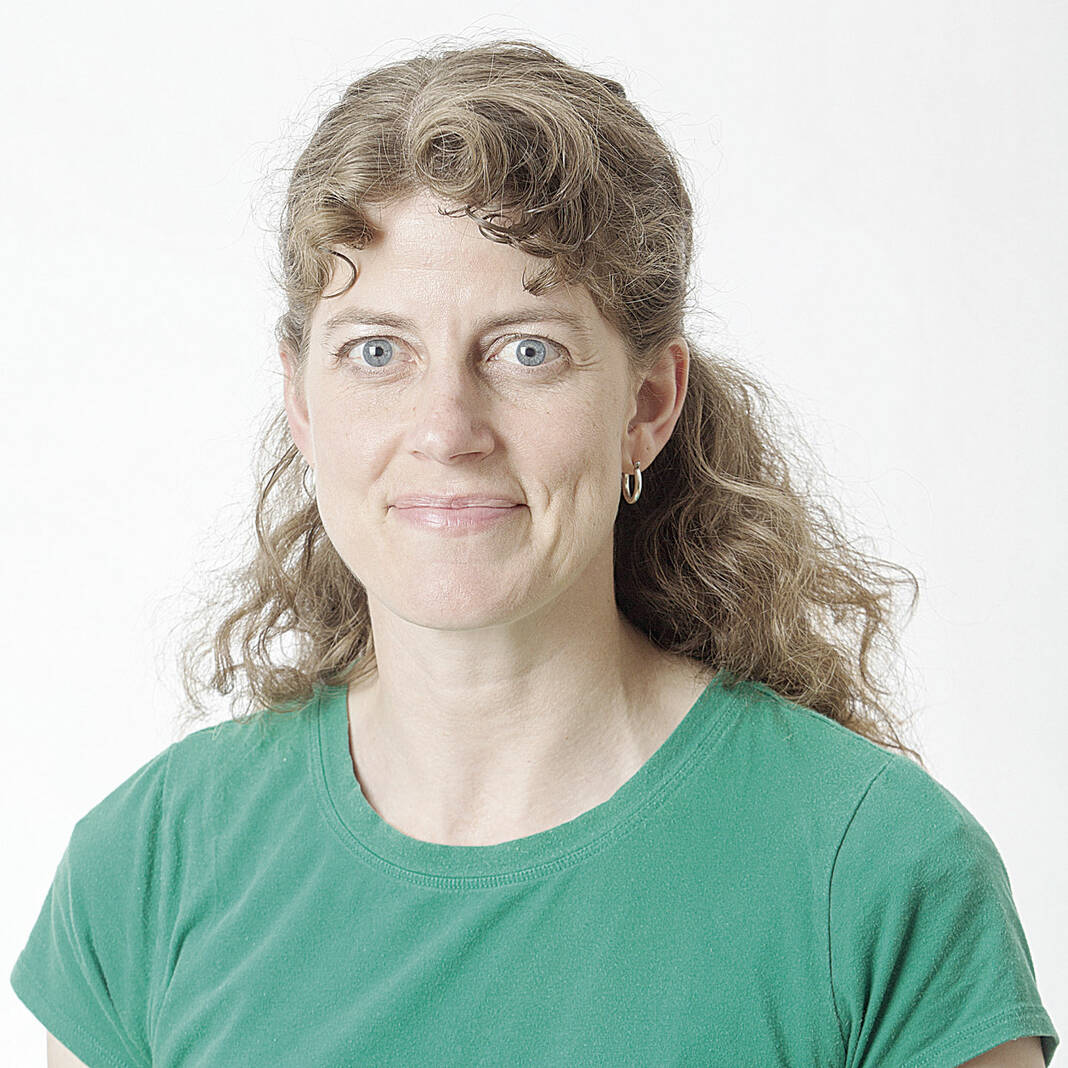
Susan Cox is one of The Republic’s community columnists, and all opinions expressed are those of the writer. She is an avid reader, an outdoor enthusiast, a mother, a grandmother, and an adjunct instructor of English at Indiana University Columbus. Send comments to editorial@therepublic.com.