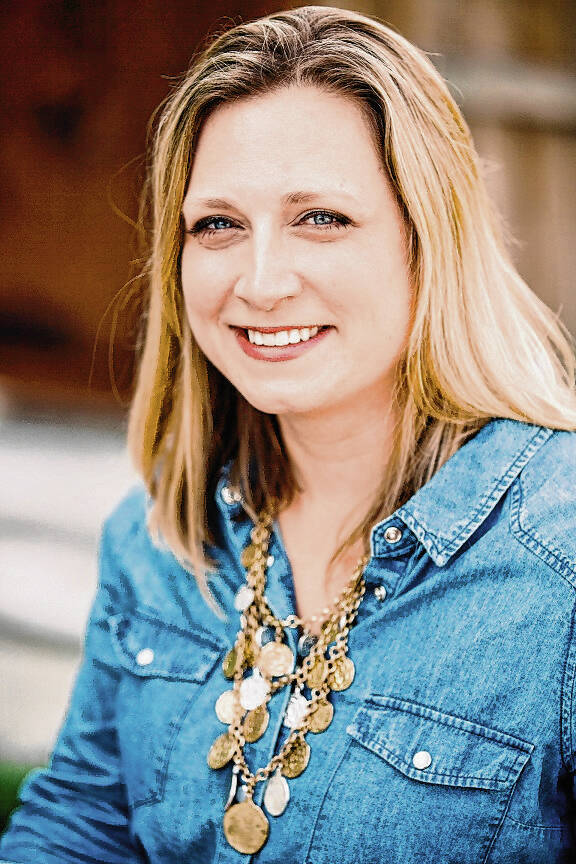
Leah Beyer
Bartholomew County Council members continued a discussion Monday about potential changes to local income taxes and property taxes as a result of Senate Bill 1.
Senate Bill 1 will change the structure of local income tax and property tax, starting in 2028. The Bartholomew County Council will have to vote on the changes by 2027, according to the new requirements.
The current total local income tax in Bartholomew is at 1.75%. With changes from the new system, the maximum local income tax rate the county council can charge for each category are county services at 1.2%, fire protection at 0.4%, non-municipal civil taxing units at 0.2%. For these services alone, the county can charge a total of 1.7%.
Additionally, the county can place a 1.2% income tax rate to towns and cities with populations under 3,500. The county has the ability to increase the total income tax rate to 2.9%.
This workshop was to help the county council members decide what the income tax rates could be for Bartholomew County residents, stated Leah Beyer, Bartholomew County’s council president. Council members will be responsible for deciding what the changes will be.
Representatives from Reedy Financial Group were there to present the changes and information to the council.
The county council will be in charge of the tax rates for county services, fire protection, non-municipal civil taxing units and small cities and towns with populations under 3,500. Cities including Columbus and Edinburgh will have their city councils decide their tax rates.
“There’s essentially five levers,” Beyer said. “Three of the levers will impact every single citizen who lives in Bartholomew County regardless of their city of residence. The other two are either/or. If you live in the city of Columbus, the city council is going to decide what their tax rates are going to be.”
Property taxes will be reformed as well with this bill. By 2031, 1% properties, which are homestead properties, will be capped at a $3 per $100 valuation property tax rate. With this change, the county cannot have a tax amount more than $3 per $100 assessed valuation with a 66.7% deduction. The deduction will be slowly phased in over the years until 2031.
Similarly, 2% properties, which are agricultural, rental and non primary residency land, will also be capped at a $3 per $100 assessed valuation property tax rate but with a flat 33.34% deduction. This deduction will also be phased in over time until 2031.
“As the deductions are fully phased in, they (Bartholomew County residents) likely would see a reduction in their tax life,” said Branden Robbins, a partner with Reedy Financial Group. “If your property is worth a whole lot more, you’re going to see a bigger deduction because it’s a flat based deduction for all homes.”
In the next two years, residents should start to see a change on their property tax and their income tax will remain at 1.75%. It will not be until 2028 when a change, if needed, will be made to income tax rates for non-Columbus and non-Edinburgh residents, stated Beyer.
Collaboration between the Bartholomew County Council and unincorporated areas of Bartholomew County will be important to figure out the right rates for the county. Beyer said that she and the council will take full advantage of having work sessions with different stakeholders of the unincorporated areas each month.
“My goal would be that they (Bartholomew County residents) would see a decrease in their property taxes over the next five years,” Beyer said. “Hopefully we can remain flat to a very slight increase on their income tax.”
With the changes, Beyer believes that the new system will have a neutral impact on the taxpayers.
For the residents who may have some concerns about the changes, Beyer encourages them to pay attention to what is going on at county and city council meetings.
“These things will start to be decided on in 2027 and be decided every year,” she said. “It’s what’s going to pay for the services that are provided. When someone calls 911, if they have a road issue, any of those types of issues, the tax dollars go to paying for that. I encourage the citizens to attend meetings and learn more about where their tax dollars are going.”