Home Blog Page 396

Rubio flies into the Caribbean for talks with leaders unsettled by Trump policies

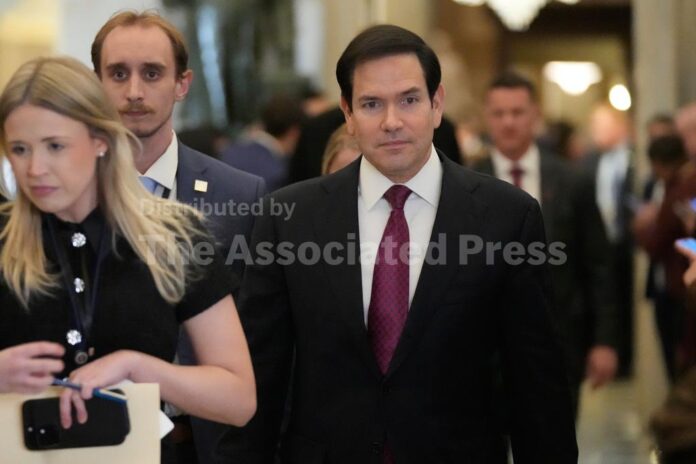
Secretary of State Marco Rubio flies into the Caribbean country of St. Kitts and Nevis on Wednesday for talks with regional leaders who, like others around the world, are unsettled and uncertain about Trump administration policies.

After President Donald Trump ordered a military operation last month to remove and arrest Venezuela’s then-leader, Nicolás Maduro, stepped up aggressive tactics to combat alleged drug smuggling and turned up pressure on Cuba, Rubio will attend a summit of the Caribbean Community, or CARICOM.

During his State of the Union address Tuesday night, Trump called Maduro’s capture “an absolutely colossal victory for the security of the United States. And it also opens up a bright new beginning for the people of Venezuela.”

Leaders from the 15-nation bloc are gathering to debate pressing issues in a region that Trump has targeted for a 21st century incarnation of the Monroe Doctrine meant to ensure U.S. dominance in the Western Hemisphere.

Trump said his administration is “restoring American security and dominance in the Western Hemisphere, acting to secure our national interests and defend our country from violence, drugs, terrorism and foreign interference.”

CARICOM leaders have complained about administration measures that include demands for nations to accept third-country deportees from the U.S., reject Cuban medical missions and chill relations with China.

Godwin Friday, newly elected prime minister of St. Vincent and the Grenadines, echoed the fears of many European leaders when he said the Caribbean is “challenged from inside and out. International rules and practices that we have become used to over the years have changed in troubling ways.”

Caribbean leaders point to shifting global order

During Tuesday’s opening ceremony, Terrance Drew, prime minister of St. Kitts and Nevis and CARICOM chair, said the region “stands at a decisive hour.”

“The global order is shifting,” he said. “Supply chains remain uncertain, energy markets fluctuate and climate shocks intensify.”

Like other leaders, Drew spoke about changing geopolitics and said the humanitarian situation in Cuba must be addressed and taken seriously, something also stressed by Jamaican Prime Minister Andrew Holness.

“It must be clear that a prolonged crisis in Cuba will not remain confined to Cuba,” Holness warned. “It will affect migration, security and economic stability across the Caribbean basin.”

Holness said Jamaica “stands firmly for democracy” and that his country also “supports constructive dialogue between Cuba and the U.S. aimed at de-escalation, reform and stability.”

Bahamian Foreign Minister Fred Mitchell told The Associated Press on Tuesday ahead of the summit that he doesn’t know if individual topics will come up in talks with Rubio but said he expects a full discussion on the nature of the relationship with the U.S.

“It is about mutual respect and a rules-based order,” he said. “Those are some of the things we would expect from the meeting, and we are also available for any private dialogue with Mr. Rubio.”

The State Department has not said which officials Rubio will meet with Wednesday but that he intends to discuss ways to promote regional security and stability, trade and economic growth in group and bilateral meetings.

Caribbean leaders also are expected to talk about other issues like security, reparations, climate change and financing, and a single market economy.

US policy in the Caribbean

Rubio’s visit comes more than a month after the U.S. captured Maduro and brought him to the U.S. to face drug trafficking charges.

The U.S. also has killed at least 151 people in strikes targeting small boats accused of smuggling drugs since early September. The latest attack Monday killed three people in the Caribbean Sea. The U.S. has not provided evidence that the targeted boats are ferrying drugs.

Kamla Persad-Bissessar, Trinidad and Tobago’s prime minister, has previously praised the attacks. Tuesday was no exception as she thanked Trump, Rubio and the U.S. military “for standing firm against narcotrafficking” and for their cooperation in national security matters.

“The crime is so bad, I cannot depend on just my military, my protective services,” she said.

Cuba’s situation also is expected to dominate talks at CARICOM’s summit.

Cuba’s U.N. resident coordinator Francisco Pichón told AP on Monday that the U.S. oil embargo is preventing humanitarian aid from reaching those still struggling to recover from Hurricane Melissa, which struck eastern Cuba in late October as a Category 3 storm.

He noted that the energy blockade and fuel shortages “affect the entire logistics chain involved in being able to work in Cuba at this time, anywhere in the country.”

___

Lee reported from Washington, and Coto from San José, Costa Rica. Associated Press reporters Bert Wilkinson in Georgetown, Guyana, and Andrea Rodríguez in Havana contributed to this report.


Army pilot wounded in Maduro raid gets Congressional Medal of Honor during Trump’s speech

WASHINGTON (AP) — A helicopter pilot wounded in the raid that captured then-Venezuelan President Nicolás Maduro received the Congressional Medal of Honor during President Donald Trump’s State of the Union address Tuesday evening.

Trump said Army Chief Warrant Officer 5 Eric Slover, who appeared using a walker, was the pilot of the lead CH-47 Chinook helicopter that descended on the “heavily protected military fortress” that held Maduro during a raid that, while successful, left seven U.S. service members with gunshot wounds and shrapnel-related injuries.

“While preparing to land, enemy machine guns fired from every angle, and Eric was hit very badly in the leg and hip, one bullet after another,” Trump said, adding that Slover “absorbed four agonizing shots, shredding his leg into numerous pieces.”

Months of covert planning led to the brazen operation that plunged the South American country’s capital into darkness as troops infiltrated Maduro’s home and whisked him to the United States to face drug trafficking charges.

Trump’s description of Slover’s actions that night offer a new, detailed glimpse into the military action that has been largely shrouded in secrecy since it was carried out in the early hours of Jan. 3.

As Slover prepared to land his helicopter, he was confronted with “two machine gunners who escaped the wrath of the previous planes,” according to Trump.

“Eric maneuvered his helicopter with all of those lives and souls to face the enemy and let his gunners eliminate the threat,” Trump said, “saving the lives of his fellow warriors from what could have been a catastrophic crash deep in enemy territory.”

The president said “the success of the entire mission and the lives of his fellow warriors hinged on Eric’s ability to take searing pain.”

Lt. Gen. Jonathan Braga, commander of Joint Special Operations Command, presented Slover with the Medal of Honor in the gallery overlooking the House chamber.

Slover was in his dress uniform and used a walker to steady himself. Trump said the soldier was still recovering from his wounds.

Trump also said 10 other service members who took part in the operation will be receiving medals at a private ceremony soon to be held at the White House.

In addition to Slover, Trump also presented the Medal of Honor to retired Capt. E. Royce Williams, a Navy pilot who shot down multiple Soviet jets during the Korean War, upgrading his existing award of a Navy Cross.

Trump called the 100-year-old former fighter pilot “one of the last living legends.”

Column: Poverty still claims more than 820,000 Hoosiers

When it was first developed in 1963, the poverty threshold was set at the cost of a minimal diet defined by the U.S. Department of Agriculture. Then, a family of two adults and two children under age 18 were considered in poverty with an annual income of $3,104 or less. In 2024, that threshold was $31,812.

That’s an average annual increase of 3.9%, which happens to be exactly equal to the rise in the Consumer Price Index (CPI) during that period. This is nowhere near the increase in the median family income of 4.7% annually which would put the poverty threshold at $51,128 in 2024.

In the past decade alone, Indiana has seen a reduction of the number of persons in poverty from 972,000 persons to 822,000, a decline of 150,000 persons. Our poverty rate has fallen from 15% to 12%. While we’ve seen a 5.4% growth in total population, our poverty population has fallen by 15%.

Sounds good, but half (52%) of this fall was due to a decline in the number of children under age 18. In 2014, one in five children (21.5%) was in poverty. That rate fell to 16.4% in 2024. Could that have been a decline particularly among teen births?

Offsetting the decline in our youth population was the 30% rise in those 65 and older and an 81% increase of those in poverty among those in this population. The elderly have gone from 6.5% of our poverty population to 13.9% over the past 10 years.

Poverty in Indiana is primarily a white problem. Of those in poverty, 64% identify as white, while equaling 76% of all Hoosiers. The general image of poverty, however, is driven not by this reality, but by the incidence of poverty in minority populations. Both the Black (or African American) and the Hispanic populations (of any racial color) are each 9% of Indiana’s people, yet they make up 16% and 13% respectively of the people in poverty.

Education is also related to poverty status. Of Hoosiers 25 years and older, 59% have schooling beyond high school. Despite their low poverty rate of 6%, they constitute 37% of those in poverty. For some the problem is a disability which limits their labor market participation. While only 15% of Indiana’s population have a disability, 24% are in poverty.

Of particular concern are 61,000 Hoosiers, 16 to 64 years old, who worked full-time, year-round in 2024 and are nonetheless in poverty. We would expect holding a full-time, year-round job in Indiana would be sufficient to keep workers out of poverty.

Also, in this 16-64 age group, those who worked less than full-time and year-round had a 17% poverty rate (182,000 persons) and others who did not work at all saw a 29% poverty rate (234,000 persons).

There is still much progress to be made. The answers probably lie with programs that attack the causes of poverty rather than those that directly ameliorate the problem.

Thyme to garden: Gardening adaptations allow growers to continue participating in a beloved hobby.

Gardening can be a great way to bond with grandkids.

With spring right around the corner, now is the perfect time to start planning and prepping a garden. Gardening is a fun hobby that can be a great way to stay healthy during the warmer months. Studies show that tending to a garden can reduce stress levels, improve diet, and even be a good way to exercise. As we age, managing a garden can become difficult. Luckily, there are ways to adapt your garden to better suit your needs.

Raised garden beds are a great alternative for older adults who are still mobile but have trouble bending over or kneeling to weed and tend to plants. If you have limited mobility, consider adding potted plants to easy-to-access spots, such as windowsills or bookshelves. You can also use curtain rods to hang plants in front of windows if you have limited sill space.

If you prefer to stick with the classic in-the-ground gardening, consider adding tools to ease the process. Using a small stool can help ease back pain, and a kneeler can help relieve knee pain. There are small stools available that become kneelers when flipped over. These are great options, as the stool’s legs can provide extra support to help you push off the ground when using it as a kneeler. A shovel or a rake can also act as a support when getting up or squatting. Carrying soil in smaller batches can prevent overexertion or injury. Using buckets is an easy way to divide bags of soil. You can also use buckets to carry some of your smaller garden tools, but if you ever need an excuse to get a utility terrain vehicle, carrying your garden supplies is a great one. Riding lawnmower trailers, motorized garden carts, and even a used golf cart are all other great, less expensive options for hauling garden supplies.

Once you have adapted your garden and tools, it’s time to decide what to plant. It’s important to choose crops whose maintenance level fits your needs. Vegetables like tomatoes and peppers need more attention and care than carrots or onions, which are more resilient once established. Other low-maintenance vegetables include shallots, broad beans, spinach, and chard. Herbs like rosemary, sage, chives, and thyme are also great choices as they require little maintenance and keep growing year-round. If you are establishing a long-term garden, rhubarb, asparagus, and horseradish are wonderful perennial options, as they require one planting and keep coming back year to year.

The benefits of gardening can go far beyond produce. Some gardens, called “sensory gardens,” are great for those living with sensory or memory impairments. Sensory gardens consist of plants that engage all our senses — smell, touch, taste, hearing, and sight. Flowers such as sweet peas, geraniums, and roses are great to feature in a sensory garden, as studies show their scents can stimulate memories. Other plants, such as the aptly named lamb’s ear, are great for stimulating your sense of touch. Their leaves feel like the ears of a lamb or donkey, with their soft, fuzzy texture. Fountain grass and trees with rough bark are also great options when seeking a rougher texture. Edible flowers and berries, like strawberries, can be added for tasting, but make sure to do your research and only consume the edible parts of the flowers from your garden. Also, ensure they are free of pesticides, disease and insects before eating. Edible flowers that can grow in ­our area include nasturtiums, pot marigolds (calendula), borage, violets, and day lilies. While the buzzing of bees or the rustling of leaves in the wind will provide some audio stimulation to the garden, you may also consider adding a birdbath, hummingbird feeder or water fountain. Besides adding more noise, these elements will also invite beautiful birds to your garden and make great visual pieces that can really bring the garden together.

Don’t let age stop you from gardening. Get creative and plan a garden centered around you and your needs. Happy planting!­

Asking Eric: Couple gives man cash gift; man sends it to scammer

Dear Eric: During our morning walks, my husband and I became acquainted with “Ron”, a homeless man who always sits on the same bench and always has a cheery hello. During the holiday season, we decided to gift him a box of homemade cookies and a Christmas card with $200 in cash slipped inside. I’ve imagined him treating himself to a decent dinner or buying something nice. We knew nothing about Ron, except that he seemed sweet and sober and appreciated our little gifts.

Recently, from several reliable sources, we’ve discovered that Ron has been sending money, including his VA checks, to a woman in China in the hope of getting her to come to America and marry him. People have repeatedly tried to tell him that this is an internet scam, but he refuses to listen.

I find it upsetting that our money is being handed directly over to a scammer somewhere. My inclination next holiday is to continue to hand him the cookies and the card but not the cash. I figure it’s just $200 less for some heartless con artist to steal.

My husband, however, objects. He says it’s none of our business how Ron spends his money. If this gives Ron purpose or pleasure, then who are we to interfere? Our reward should be in the giving and nothing else. My compromise is to give Ron a gift certificate, perhaps to a grocery store, but my husband feels that even this safeguard is too judgmental. What is your opinion?

– The Christmas Judge

Dear Judge: We don’t get to choose how other people make use of our gifts, especially strangers. Since you don’t have a relationship with Ron beyond these very generous gifts, you’re not in a position to safeguard him. I’m not wagging my finger, but it’s notable that you know nothing about him and you heard about the supposed scam from others, not from Ron. He’s not shared this part of his life with you.

What you might do is ask him, “what do you need?” or “is there someplace from which you’d like a gift card?” This way, you can be more confident that you’re meeting him where he is without trying to police his spending.

Dear Eric: I have a friend who is driving me and other friends to the brink with her persistent negativity. This has been going on for years but is much worse lately.

We are all retired, and this friend is substantially better off financially than the rest of us. Despite this, everything is a litany of “poor me” and nonstop negativity. No one else has suffered grievous losses as she has (we have). No one else is as burdened with problems as she is (we have our own issues, and deal with them). No one experiences as much pain, suffering, loss, misfortune or tragedy as she does.

Literally every conversation ends up being her listing a multitude of problems, all featuring her as the victim. When we try to gently point out that they are financially secure, or have many blessings to be grateful for, it’s just a doorway to yet more complaining, whining and “poor me.”

It’s clear she’s depressed, and it’s also clear that the medications and counseling she’s receiving are not helping. We’ve tried patience, listening, kind boundary-holding on topics, and redirection.

It’s to the point where some friends have stepped way back from the relationship, and where several of us are questioning why we continue on. This woman can be kind, generous and caring but rarely, and there’s little joy in any of our relations with her. Help, please.

– Overwhelmed by Negativity

Dear Overwhelmed: It sounds like you’ve been very empathetic toward your friend, while also communicating – in many different ways – what you need from her. One of the tactics that strikes me is boundary-holding. Presumably you’ve said to her, “complaining about this subject is not something I’m able to listen to right now,” or something like that. And, presumably, she’s ignored that. When people aren’t willing or able to honor the boundaries we’ve set, it often becomes necessary for us to take a step back.

You can tell her this. Indeed, while it may be uncomfortable, it’s better to be upfront than to drift away. You can tell her that you care about her and you value your friendship, but specific parts of it aren’t working for you right now and you need to take a break.

In all likelihood, this will be added to her list of complaints. But there is a chance that she’ll hear what you’re saying and try to change her behavior. Her outlook may not change, but right now the substance of your friendship – at least from your perspective – is all negative. She can choose other things to share.

Send questions to R. Eric Thomas at eric@askingeric.com or P.O. Box 22474, Philadelphia, PA 19110. Follow him on Instagram and sign up for his weekly newsletter at rericthomas.com.

Japan demands the swift release of a Japanese national detained in Iran

TOKYO (AP) — Japan’s government said Wednesday that a Japanese national has been detained in Tehran since January and demanded the Iranian authorities release them swiftly.

Deputy Chief Cabinet Secretary Masanao Ozaki, asked about foreign media reports about the case, only confirmed that the Japanese citizen was taken into custody on Jan. 20 but gave no further details, citing privacy issues.

Ozaki said the government is in contact with the detainee and their family members, while providing necessary support.

Mill Race Theatre Company to present powerful production of scenes from Shakespeare

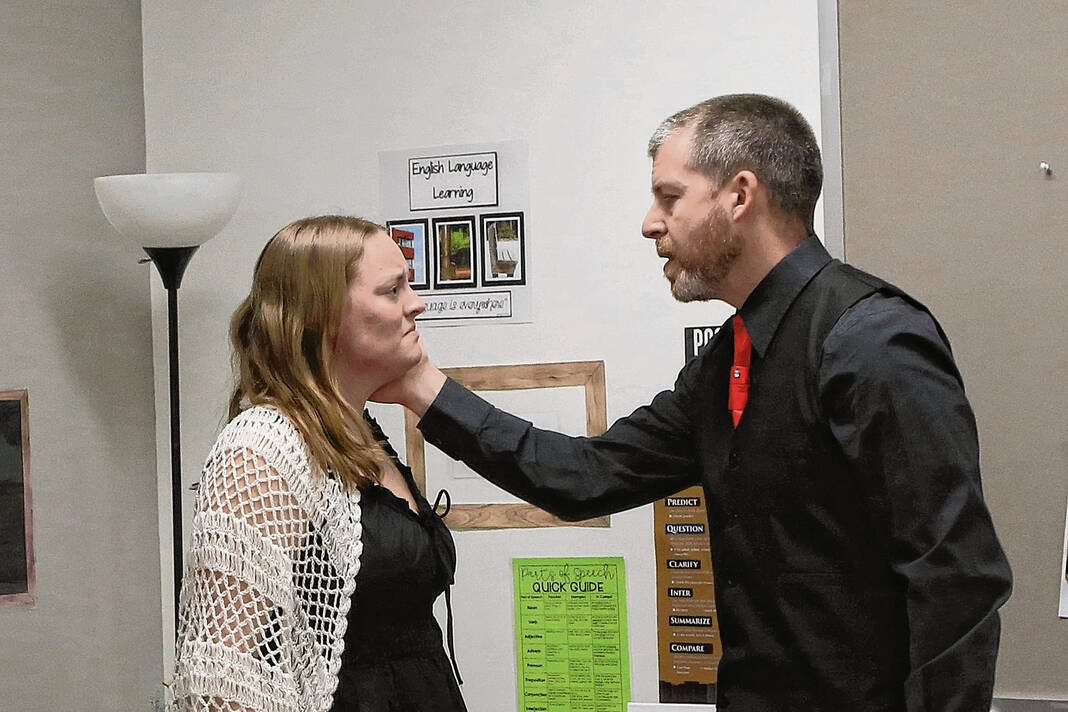
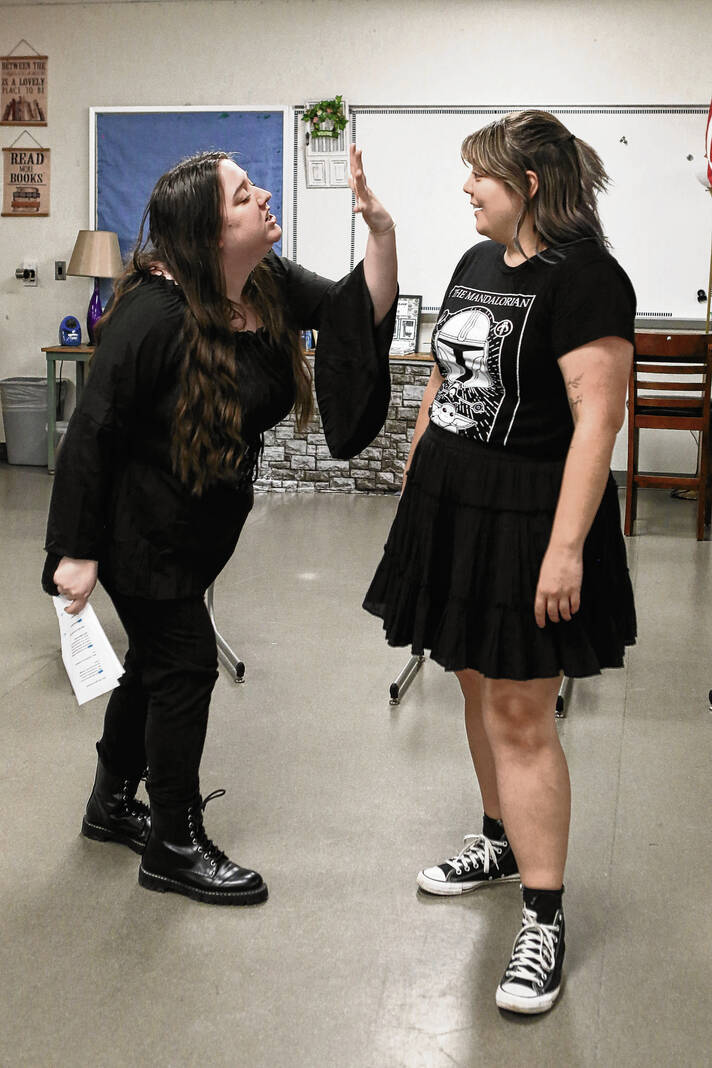
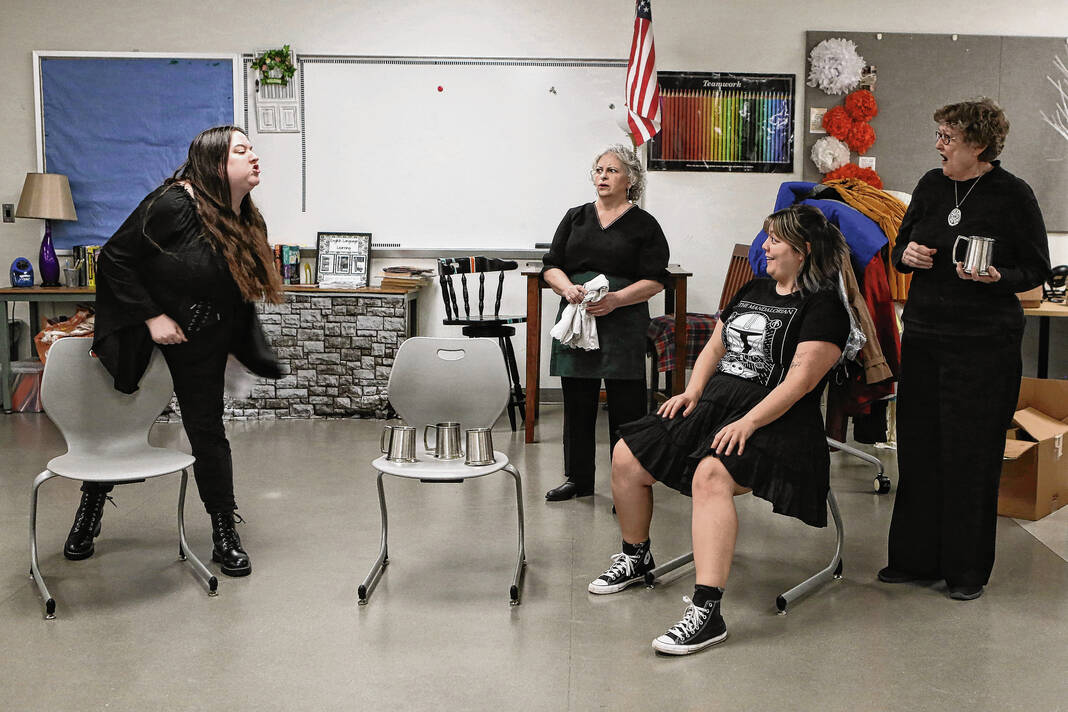
Carla Clark | For The Republic Jude Jean-Louis, left, as Gregory, and Jorge Sanchez, as Balthasar, act out a scene from the play Romeo and Juliet, during a rehearsal of the Mill Race Theatre Company’s presentation of Shakespeare’s Power Play at Columbus East High School in Columbus, Ind., Thursday, Feb. 19, 2026.

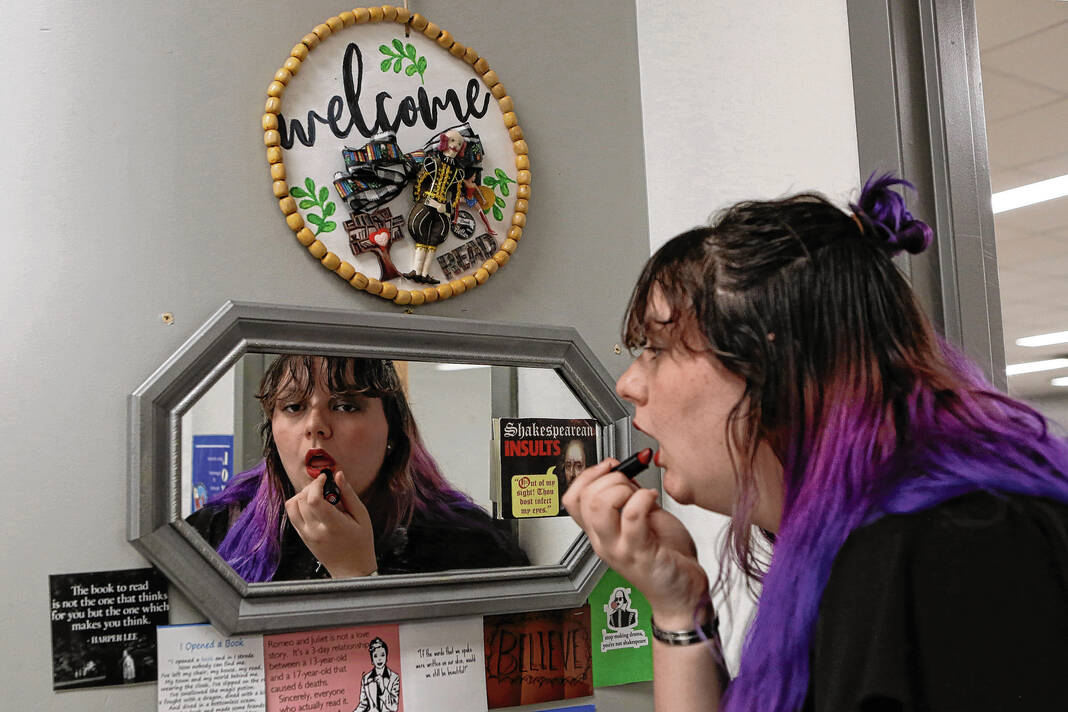
Thirteen directors and more than 30 actors will bring to life some of Shakespeare’s most “power”ful scenes at Mill Race Theatre Company’s upcoming production of “Shakespeare’s Power Play,” opening this Friday.

Whether they have had prior directing experience or none at all, the 13 directors have taken scenes from some of Shakespeare’s most popular works like “Romeo and Juliet” and “Midsummer Night’s Dream,” assembled their casts and have been working hard to get everything show ready before the big night.

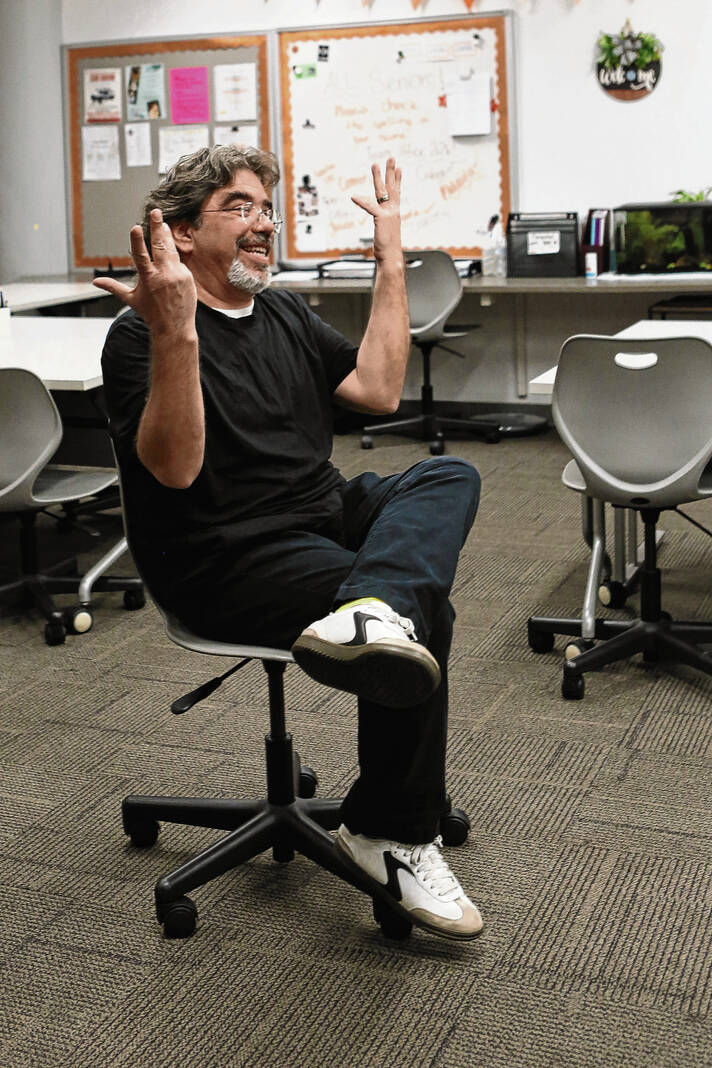
“The actors have worked their hearts out,” first time director Eric Heyob said. “For being in the spotlight for two minutes, they’re treating it like a whole show and we’re show ready and ready to go.”

The show will run from Friday, Feb. 27 to Sunday, March 1 and will be held at Columbus East High School in room C110. Friday and Saturday’s shows will start at 7:30 p.m., with lobby doors opening at 6:30 p.m., while Sunday’s show will start at 2:30 p.m. and doors will open at 1:30 p.m.

Tickets cost $15 for general admission and $10 for students or those 14 and under. Tickets can be purchased at millracetheatre.org.

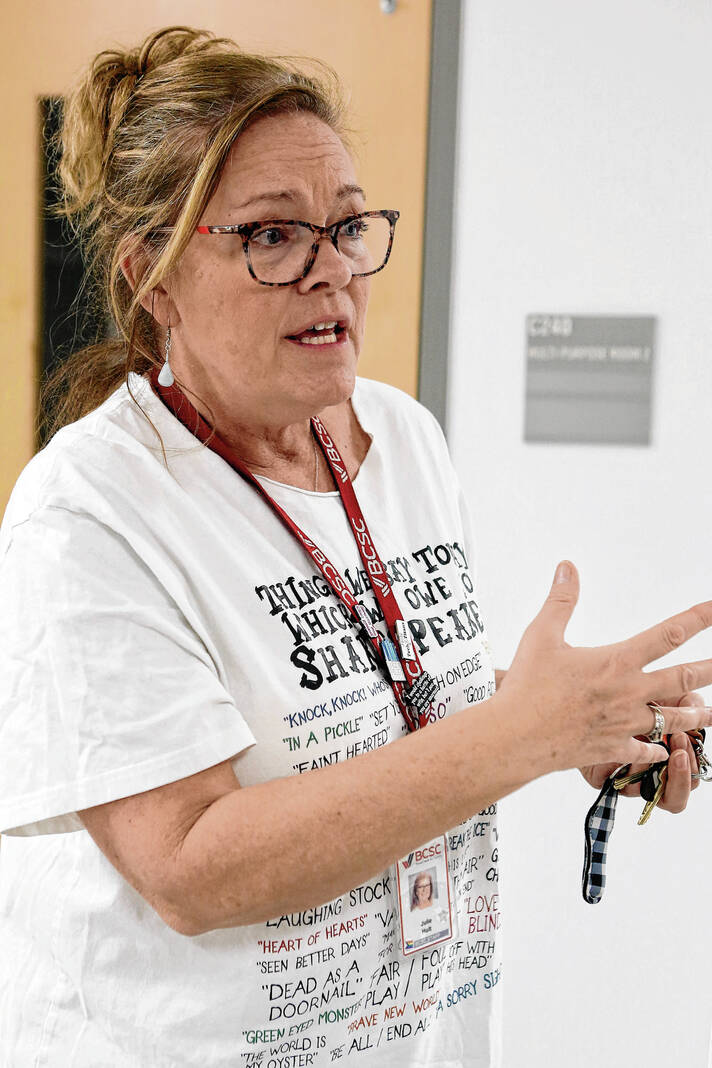
Julie Hult, who is directing featured monologues from “Henry V” and “The Merchant of Venice,” said this concept of multiple directors and one-act plays was something she carried over from her days of working with North Drama. It’s never been done with Mill Race before, but she believed that same concept would work with them too.

The overarching theme of all of the scenes is power, with each scene depicting a power struggle or power dynamics within family members, government or relationships. Directors were allowed to choose their own scenes, though Hult said they also provided them with suggested scenes.

“We were able to kind of fit scenes with each director, some of them that have more experience versus less experience, we just tried to make sure that we had material that was accessible to everybody…,” Hult said.

Directors and actors rehearse in their own small groups during rehearsals, and Hult and Mill Race Theatre actor Ed Phillips pop in throughout to help them if they need it and coach them through the directing process. Some directors put their own spin on their scenes like Heyob, who updated the language in his “Romeo and Juliet” scene to be more modern.

“But we are adding some Shakespearean insults, just for that little humor,” Heyob said.

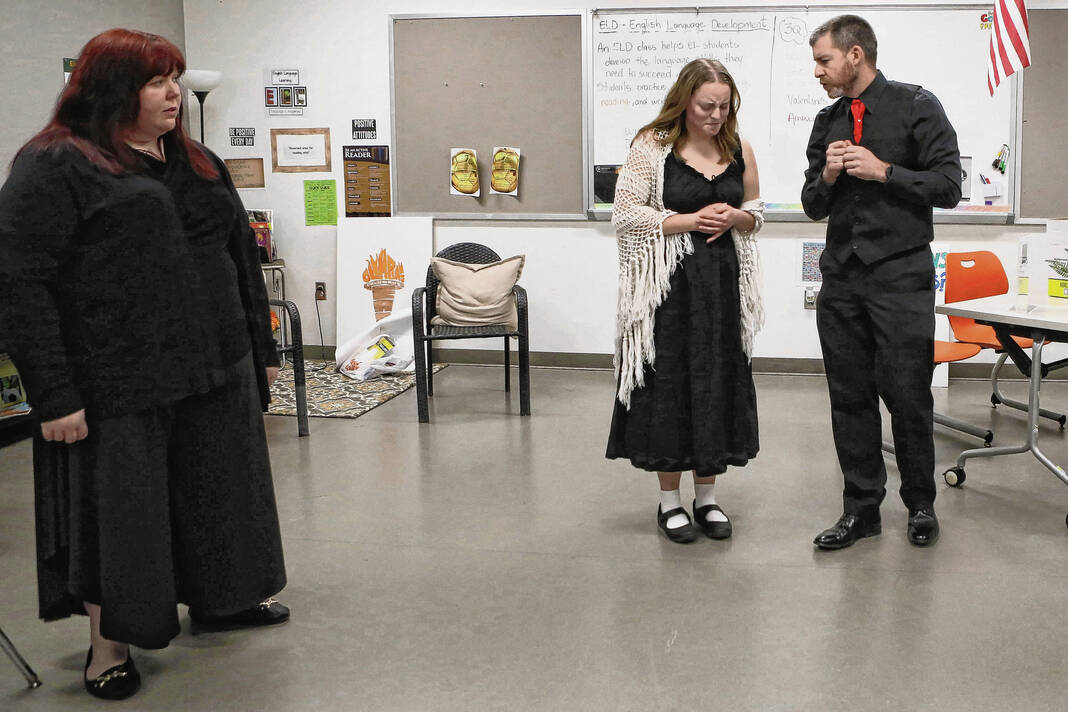
Director Tamra Wright also tweaked her scene from “Measure for Measure” to have it take place in late 1800s Appalachia, as she felt setting a story she believes is very timely to today in the middle of modern times and Shakespeare’s time could be interesting.

She has been involved with Mill Race Theatre Company since she was 15, but this is her first time directing. Though they had a shorter window to rehearse with only around three weeks as opposed to Mill Race Theatre’s usual six weeks, she believes everything has been coming together well.

“So I’ve been thinking of directing for a while, I have a particular show that I’d really like to direct and I needed to build that experience and the timing was perfect,” Wright said. “And then I get some really great mentors and don’t have to feel really alone in that process.”

When it came time to cast, Hult said they had around 33 people audition, a large number that was unexpected. Actors play multiple roles across several scenes and under different directors. For example, Anna Bratton, who plays Falstaff in director Magen Pillar’s scene from “Henry IV” also plays Mercutio in director Jeremiah Trotter’s scene from “Romeo and Juliet.”

“… Mercutio is a humorous character but as a result of a serious scene, he actually ends up dying. So it is really fun to kind of get to play both sides, doing that more humorous, over-the-top sort of comedy with the ‘Henry IV’ scene and then getting to do something that starts off kind of silly in ‘Romeo and Juliet’ but then quickly turns deadly,” Bratton said. “So it’s really fun to get to flip that coin and do both.”

Column: Don’t let Indiana close the door on access to care

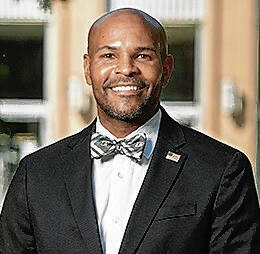
Dr. Jerome Adams (Purdue University photo/John Underwood)

As a physician, former U.S. Surgeon General, and former Indiana State Health Commissioner, my career has been guided by a simple belief: health care should work for everyone, not just those with the best insurance, the closest specialists, or the ability to pay for concierge care.

In an ideal world, every American would have affordable medications, easy access to on-call doctors, and seamless, high-quality care close to home. But we do not live in that world. And until we do, we should be careful about shutting down responsible alternatives that help fill real gaps in care, especially for rural and underserved communities.

That is why I am paying close attention to legislation moving through the Indiana Statehouse. Senate Bill 282 is motivated by a legitimate and important goal: protecting patient safety. Lawmakers are right to want guardrails that ensure medications are prepared, prescribed, and dispensed appropriately. Patient safety must always come first.

At the same time, as originally written, the bill risks going too far. It could restrict access to individualized treatments that many Hoosiers rely on today, including compounded therapies that are legally prescribed by licensed physicians and dispensed by regulated pharmacies operating under existing state and federal oversight.

For many patients, this issue is not theoretical. It impacts their ability to access many medications- including GLP-1-based therapies for weight management and metabolic disease. These medications have been life changing for many people and are now being studied for broader benefits across a range of chronic conditions. Yet access remains uneven. Cost, insurance coverage gaps, supply issues, and geography all matter. For some patients, responsibly compounded alternatives are not a preference. They are the only realistic current option to get therapies they need and deserve.

This conversation should not be framed as patients versus pharmaceutical manufacturers, or innovation versus safety. We need all of it. Breakthrough drugs developed by pharmaceutical companies save lives and advance medicine, and we must be cognizant of the need to reasonably protect intellectual property rights and incentives for future innovation. At the same time, personalized care exists — and is rapidly expanding — for a reason. Patients are different. Their medical histories, tolerability, comorbidities, geography, and financial realities vary. A system that works only for those who can afford the most expensive or most convenient option is not a system that serves the public’s health.

I have felt the frustrations of our health care system personally. In 2024, I received a nearly $5,000 bill for an emergency room visit, despite having insurance. That experience reinforced what millions of Americans already know. Care is often too expensive, too difficult to access, and too disconnected from patients’ daily realities. When people feel boxed out of the system, they look for alternatives. Our goal should be to make more options safer and transparent, not to eliminate them altogether, while pretending the status quo is fine.

To be clear, there are bad actors in every corner of health care, including in the telehealth and compounding space. They should be identified, regulated, and removed. Strong enforcement of existing laws matters. Patient safety matters. But safety and access are not mutually exclusive. We can do both.

Indiana has an opportunity to lead with balance. Strengthening oversight, improving transparency, and reinforcing the physician-patient-pharmacist relationship can raise standards without reducing access. Model approaches, such as the ALEC Safe Compounding Act, show that it is possible to protect patients while preserving individualized care and state-based regulatory authority.

At its core, this debate is about trust and choice. Hoosiers value the freedom to make medical decisions in consultation with licensed professionals they know and trust. They also understand the realities of living far from major medical centers or facing financial barriers that limit options.

We should aim for legislation that reflects those realities. Laws should protect patients, encourage innovation, and expand access, not narrow it. They must recognize our health care system is imperfect, and that responsible alternatives sometimes matter most for those with the fewest choices.

Indiana lawmakers do not have to choose between safety and access. With thoughtful policymaking, we can and should do both.

Dr. Jerome Adams, MD, MPH, is a former U.S. Surgeon General and former Indiana State Health Commissioner. He currently serves as a Presidential Fellow and the Executive Director of the Center for Community Health Enhancement and Learning at Purdue University. Send comments to editorial@therepublic.com.

Company withdraws from street contract

Scruggs Construction is withdrawing its quote for street repair on Columbus’ Project #25-24 Concrete Street Repairs – Everroad Park West.

The Columbus Board of Public Works and Safety awarded the quote to Scruggs Construction at the Dec. 17 meeting, but earlier this year, Scruggs made it known that they would not be able to complete the project and asked to withdraw.

This action from Scruggs will call into question any further consideration of offers from them for future projects, according to city officials.

“They have to be a responsible bidder which means to have the capacity and the ability to perform the work. Certainly the city takes into account its prior history with a vendor in making those decisions,” said city attorney Alex Whitted.

During Tuesday’s meeting, the Columbus Board of Public Works and Safety voted to accept the withdrawal and reject all other bidders from the initial group.

Instead, the board approved a new notice to bidders for a very similar project under the expanded 2026 budget.

Editorial: AG Pam Bondi’s performance proves she’s unfit for the job

It’s one thing to embarrass yourself before a national audience, but when you embarrass the entire United States with your nonsensical responses to questions from members of Congress, it’s time for a major change.

That’s what U.S. Attorney General Pam Bondi did when she recently testified before the House Judiciary Committee concerning the Department of Justice’s handling of the Jeffrey Epstein case.

Some headlines called her responses fiery, others called them explosive. Many are calling them what they truly were — disgraceful.

Because of her “performance” in the Washington hearing and her refusal to allow the FBI to share evidence with Minnesota law enforcement to investigate the killings of Renee Good and Alex Pretti, Bondi should resign.

The likelihood of that happening is slim. Therefore, if there are enough members of Congress who feel that same sense of disgrace, impeachment is one solution.

For that to happen, Democrats would need three Republican House members to vote against corruption and for justice. Republican Rep. Thomas Massie of Kentucky, who sparred with Bondi during the hearing, is one who would likely vote for justice. Others who realize her role and style would be a drag on the GOP ticket this fall could possibly join in removing Bondi.

A conviction in the Senate with its larger margins, however, would be the challenge. Still, an impeachment of Bondi would be a sign that recalcitrant Republicans are starting to share the consternation of American voters over how Bondi has so compromised the crucial role that the DOJ historically has played.

Among her transgressions is the release of documents that included the unredacted names of some of Epstein’s sex-trafficked survivors, but redacted names of rich and powerful men associated with Epstein.

In the hearing, she accused a Jewish member of Congress, Rep. Becca Balint, D- Vermont, of antisemitism. And after Balint, whose grandfather was killed during the Holocaust, responded with great emotion and stormed out of the room, Bondi laughed.

In response to New York Rep. Jerrold Nadler’s chastisement for not indicting anyone in the Epstein investigation despite photos and other evidence pointing toward possible culpability, her response was “Americans’ 401(k)s and retirement savings are booming. That’s what we should be talking about.”

An astonishing development is that Bondi’s DOJ also apparently monitored House members’ computer activity as they accessed some of the 3 million documents related to the Epstein files in preparation for the hearing. That included the search history of Washington’s Rep. Pramila Jayapal, D-Seattle.

Worse, Bondi did not deign even to glance at the survivors of Epstein’s and Ghislaine Maxwell’s sick behavior, even though those women sat just a few feet behind her.

Bondi’s failures are numerous, which reflects on the Trump administration, and thus the nation as a whole. A nation governed by laws can’t afford to have lawlessness in a department that was created to assure justice for all.

She is protecting Trump; she is protecting Epstein’s rich friends. She is not protecting the victims.