Columbus has a vibrant arts scene, no small thanks to the Columbus Area Arts Council’s annual Uncommon Cause dinner and auction at Harrison Lake Country Club.
The soiree of 250 people last Saturday generated a little more than $224,000, and donations were still coming in. Those funds help finance the cost of “everything from First Fridays for Families children-oriented events to art exhibitions at the 411 Gallery downtown to hands-on art classes and workshops,” The Republic’s Brian Blair reported.
In addition, this year saw special attention focused on community mental health concerns. Arts unquestionably have a role to play in wellness and recovery, and patrons responded. “A special Fund A Need auction for the arts council’s plans to introduce programming for mental health raised $70,000,” Blair wrote.
Learn more about the good works and programs of the Columbus Area Arts Council, volunteer or donate at artsincolumbus.org.
Seeing a ‘little spike’ in COVID
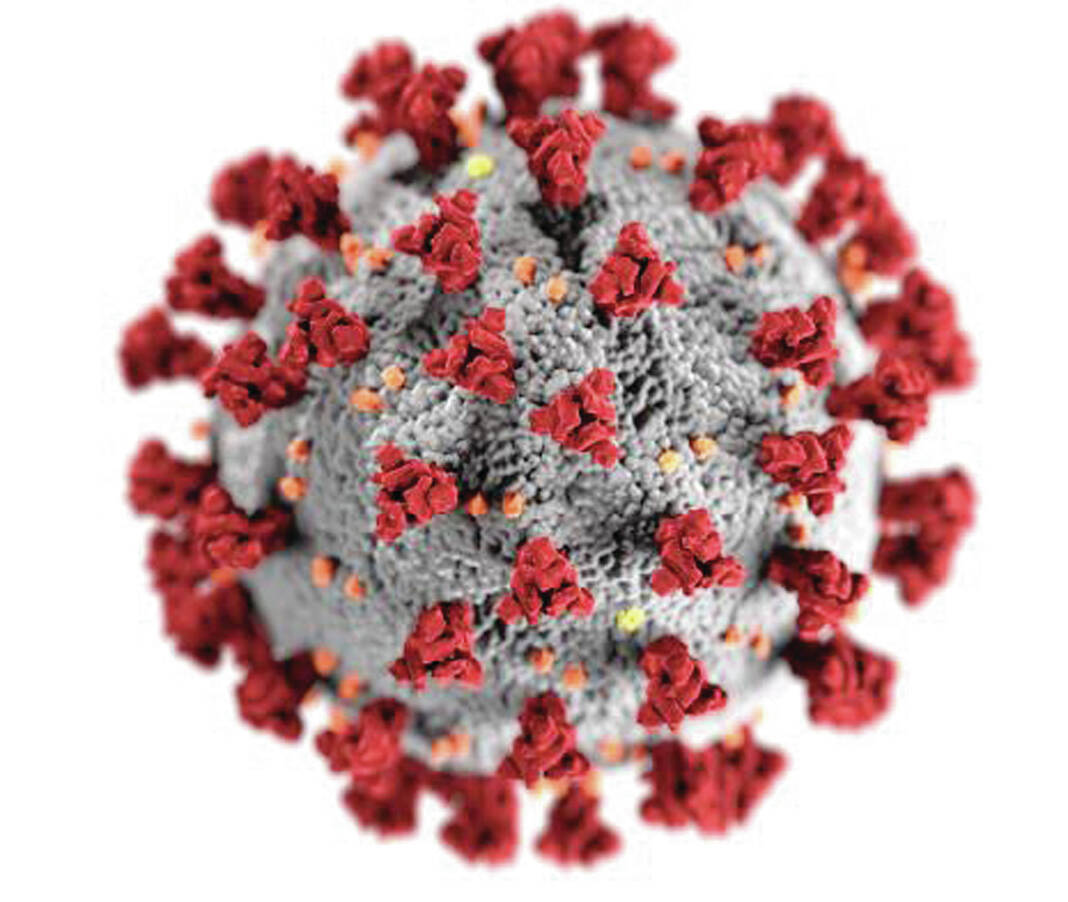
There’s no cause for alarm, but The Republic’s Andy East did a public service last week in reporting what officials at Columbus Regional Health are seeing: a “little spike” in COVID hospitalizations.
“Hospitalizations due to COVID-19 infections at CRH have hovered between two and four for much of this past week, the hospital said,” East reported last Saturday. “Before that, it had been weeks since anyone had been admitted to CRH due to a coronavirus infection.”
The last confirmed death in the county due to COVID was June 2, according to the Indiana Department of Health. Nevertheless, the virus still can be deadly, with 400 to 600 deaths nationally each week since June.
So public health officials are advising anyone with upper respiratory symptoms that are consistent with colds, allergies and other illnesses to get tested for COVID. That’s especially true for elderly people and those with compromised immune systems. To find out more about local COVID testing options, visit coronavirus.in.gov/covid-19-testing-information.
Twice as nice for Fulbright Scholar
IUPUC associate professor and Division of Science Head James “J.D.” Mendez is a rare academic: He twice has been named a Fulbright Scholar. And he just returned from his second fellowship, this one in Slovakia, where he and others “explored chitin’s potential 3-D printing applications, which could someday be used to create custom frameworks for medical devices,” The Republic’s Jana Wiersema reported.
Wiersema helpfully explained that chitin is “a natural polymer made from crustacean shells, insect exoskeletons and certain mushrooms. Chitin is unique in that it is a renewable, natural polymer and has no toxicity for humans.” So even us non-Fulbright scholars who don’t quite understand the science can grasp that it has enormous potential.
And so do students who will learn from Mendez and others at IUPUC. “The 3D printing lab is a great place for experimenting, especially compared to other chemistry labs where there is greater risk and expense,” Mendez said. “Here, they aren’t going to hurt themselves or waste hundreds of dollars. I tell my students, ‘You don’t have to be afraid of experimenting in here.’”
It’s inspiring to imagine the discoveries that may await local students who have such tools at their fingertips and a revered scholar in Mendez to guide them.